Bookmark This Page

Arm Lift Surgery Becoming A Very Common Cosmetic Procedure

Here at the Arizona Center for Aesthetic Plastic Surgery, we are seeing an amazing increase in the number of people pursuing arm lift surgery, also known as a brachioplasty. A major reason for this burgeoning interest is actually quite understandable and relates to our present epidemic of obesity.

Following a considerable weight gain often involving 50 to 100 lbs. or more, the skin becomes quite stretched out with associated disruption of elastic fibers. If there is a subsequent substantial weight loss, the outcome will be an excess of skin with little elasticity that just hangs down like a hammock or even bat wings. Not a pretty sight!

Arm lift candidate - right side

Arm lift candidate - right side posterior view

Arm Lift Candidate - right side

Arm lift candidate - left side

A brachioplasty is the surgical procedure that is employed to excise the excess skin and recontour the upper arm in order to obtain a more desirable appearance. It typically involves a T-shaped scar extending from the arm pit (axilla) to the elbow but it can be extended onto the forearm if there is excess skin here as well.

The arm lift surgery can be performed both by itself as well as with various other procedures including a breast lift, breast reduction, liposuction, and even other massive weight loss corrective procedures such as an abdominoplasty and “belt lipectomy”.  Postoperative discomfort is usually fairly mild – more of a tightness sensation. The outcome is usually quite dramatic.

Before arm lift surgery - right side

After surgery

Before arm lift surgery - left side

After surgery

If you would like to obtain additional information on arm lift surgery or on other massive weight loss body contouring surgery procedures such as a tummy tuck, belt lipectomy, and thigh lifts, you can contact my office at 480-451-3000.

Steven H. Turkeltaub, M.D. P.C.
Scottsdale and Phoenix, Arizona

More:

Print This Post Print This Post

Breast Revision Surgery Results In A Woman Who Had A Prophylactic Mastectomy

Breast revision is a commonly performed procedure that serves to address one or more issues in a woman who has previously undergone a cosmetic or reconstructive breast surgery. This can involve a prior breast augmentation, breast reduction, breast lift or even a breast reconstruction. Each individual has unique issues which have to be addressed accordingly in order to obtain more desirable results.

The following 62 year old patient underwent a prophylactic mastectomy with breast implant reconstruction 25 years ago (specifically called a subcutaneous mastectomy) due to a strong family history of breast cancer. This was followed by multiple procedures over the years in attempts to improve the outcome. She consulted with me because of the chronic and substantial pain that she was experiencing in both breasts, their extreme hardness as well as the significant and problematic deformities of appearance.

Prior to breast revision surgery - frontal view

Following breast revision surgery - frontal view

Before breast revision surgery - oblique view

Following breast revision surgery - oblique view

Before breast revision surgery - side view

After breast revision - side view

After breast revision surgery

Before surgery

In her photos you can appreciate the marked asymmetries of shape, contour and implant position with the right side being situated too high. The skin has extensive irregularities and folds and in areas is quite thin. Her nipples also are too low relative to the breast mounds creating far too much fullness higher up.

Her breast revision surgery consisted of meticulous removal of deforming scar tissue known as a capsulectomy, reshaping of the breasts and placement of AlloDerm® (a regenerative tissue matrix – dermal grafting material) in both sides for support, contouring, durability and increased tissue thickness. Appropriately configured and sized implants replaced those that were present.

The outcome of all this were significant improvements in the appearance of her breasts for which the patient was extremely happy and quite thankful. It also boosted her self-confidence tremendously.

If you have any questions regarding breast revision surgery, breast reconstruction or any other plastic surgery procedure that I perform or if you would like to schedule a complimentary consultation with me, please call my office at 480-451-3000.

Steven H. Turkeltaub, M.D. P.C.
Scottsdale and Phoenix, Arizona

More:

Print This Post Print This Post

Surgery For Gynecomastia (Enlarged Male Breasts) Has Become Very Popular and Satisfying

I have been seeing a marked increase in the number of men who are seeking treatment for gynecomastia (enlarged male breasts). This phenomenon, however, is not the result of a sudden epidemic of men who have significantly enlarged breasts. Instead it appears to be the result of greater awareness of the issue and the availability of very effective and safe treatment.

Women don’t have a monopoly on the desire to look the best they can. Men want to look good as well at least as regards certain areas. That is one of the major reasons men exercise and work out – having some nice pecs can do wonders for one’s ego, pride and attractiveness to women. Conversely, enlarged, feminized breasts can be the source of tremendous anxiety, self-consciousness and doubt.

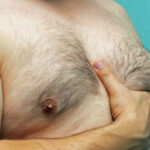
The photos below show a typical case of gynecomastia in a 30 year old man – both before and after surgery which was performed using ultrasonic assisted liposuction. Some men may present with much larger breasts; others with just focal areas of involvement.

Gynecomastia. Frontal view before

Gynecomastia. Frontal view after

Side view before surgery

Side view after surgery

Oblique view before gynecomastia surgery

Oblique view after gynecomastia surgery

As you can see from these photos of gynecomastia and its treatment, the outcome can be very natural appearing masculine breasts with little tell-tale signs of surgery. This patient was extremely happy and appreciative of his results which had a positive impact on his daily life.

If you would like some additional information on male breast reduction surgery for the treatment of gynecomastia, on liposuction for other areas or to schedule a complimentary cosmetic consultation with me, you can contact my office at 480-451-3000.

Steven H. Turkeltaub, M.D. P.C.
Scottsdale and Phoenix, Arizona

More:

Print This Post Print This Post

Be Wary Of Clinics Performing Cosmetic Procedures Including Dermal Fillers and Botox®

In an article posted on June 21st, I discussed the risks that people take by seeking cosmetic surgery south of the border (Don’t Seek Plastic Surgery South Of The Border). Attempting to save money, too many patients expose themselves to substandard and poorly regulated medical care that results in disappointingly inferior outcomes for the “fortunate”, permanent and irreversible severe scarring and deformities for many or even death for the very unlucky. Expenses for corrective surgery, which doesn’t fully resolve the deformities, can far exceed what the aesthetic procedure would have cost to be performed by a board certified plastic surgeon in the United States.

A variation on this theme involves cosmetic surgery being performed in this country by individuals who are unlicensed, may not even be formally trained or who may be enterprising illegal aliens individuals who exploit their own ethnic community in order to make money. At times, this can be a difficult deception to discern especially for those who are not well educated or at least versed in what to look for or inquire about. These practitioners often lie about their credentials, licensure and experience and may even operate out of a store-front or their home and under the radar.

Such was the case involving two sisters of Mexican descent who were running an illegal cosmetic filler practice in Sylmar, California. Their injection of liquid silicone into the buttocks of a perfectly healthy 22 year old Hispanic female in July lead to her needless death – a horrific but not rare tragedy that can be perpetrated by these illicit operations. The women who performed the injections fled to Mexico.

Deciding where to seek plastic surgery is very important and should be taken seriously – and not just for a breast augmentation, tummy tuck, rhinoplasty or even liposuction – but also for injectables such as Juvederm®, Radiesse® and Botox®. Your decision should be based primarily on qualifications and reputation and then secondarily on price. Though there is never any guarantee of outcome, make sure that the physician that you are considering is either board certified or board eligible by the American Board of Plastic Surgery and is a member of the American Society of Plastic Surgeons (ASPS) which has rigid ethical standards. (I am both board certified by the American Board of Plastic Surgery and am a member of the ASPS.)

If you have any questions regarding my qualification or certifications in plastic surgery or on any cosmetic surgery procedure that I perform or to schedule a complimentary consultation with me, please call my office at 480-451-3000.

Steven H. Turkeltaub, M.D. P.C.
Scottsdale and Phoenix, Arizona

More:

Print This Post Print This Post

A Boom in the Bust: Natural Breast Sizes Are Getting Larger

There is great news for women as well as men: women’s breasts have been getting noticeably and naturally larger over the past 50 years. This is an unmistakable finding which is unrelated to weight and height issues and is completely independent of breast implants.

Many theories have been advanced to explain this burgeoning of breast volume but there is no one definitive answer. Some feel that it is related to the improved general nutrition in experienced by women during this period of time including increased intake of fruits, vegetables and most importantly, proteins. Others ascribe this change to estrogen and other substances in our foods and environment including hormones injected into poultry and livestock and even from the BPA in plastic bottles. Birth control pills do facilitate an enlargement of the breasts but only in those who are taking them – so this doesn’t explain the global changes that have developed.

During this same period of time that the average size of women’s breasts has significantly enlarged, women have also increased the desired size that they ultimately want their breasts to be.

What are the results of all of this?  More women than ever are desirous of a breast augmentation. Seemingly ironic, at the same time and as a result of other factors as well, more women than ever are undergoing breast reduction surgery. This may seem totally confusing and conflicting but it really does make sense. I have seen these trends in my practice over the last 23 years.

If you would like more information on breast augmentations, breast reductions or on any other plastic surgery procedure that I perform or to schedule a free cosmetic consultation with me, please call my office at 480-451-3000.

Steven H. Turkeltaub, M.D. P.C.
Scottsdale and Phoenix, Arizona

More:

Print This Post Print This Post

Scars and Scar Revision

Any “injury” to the skin that goes deep enough will produce a scar. This may be the result of trauma such as a laceration or very deep abrasion, burns or even elective as a necessary consequence of surgery. It is usually only when these are very perceptible that people will call them scars and contemplate addressing their appearance.

Scar revision is the generic term for the surgical approach that is aimed at improving the appearance of these scars and possibly also removing their untoward functional effects. The procedure can improve aesthetics and function but despite the misconception held by many, it will not make the scars disappear in their entirety. Once a scar, always a scar.

Scars can be wide, depressed, elevated, dark, and painful and even affect function such as causing a contracture at a joint. In its most common form, a scar revision would then entail the total or partial excision of the affected area and precise closure of the created defect possibly along with some ancillary techniques. Depending on the multiple factors such as size, location, complexity, health status and age, the procedure may be performed using a local anesthetic, sedation or even general anesthesia.

I see and treat a tremendous number of patients in my practice who present with a wide spectrum of undesirable scars. These include run of the mill wide or elevated scars, thick and symptomatic hypertrophic scars, keloids and burn scars. The improvements in appearance following scar revision can be quite dramatic and satisfying.

If you have any questions regarding scar revision, treatment of burn scars or keloids or any other plastic surgery procedure that I perform or if you would like to schedule a consultation with me, please call my office at 480-451-3000.

Steven H. Turkeltaub, M.D. P.C.
Scottsdale and Phoenix, Arizona

More:

Print This Post Print This Post

With A Mastopexy, Shorter Scars Usually Translate Into Lesser Results

My philosophy for breast lift surgery is that it is better to use more or longer incisions if the final outcome will be far superior in contour and general aesthetics than that obtained by gimmicky usage of limited incisions. This has been reviewed in two previous posts (Periareolar Mastopexy: Sacrificing Shape and More for Less Incisions and The Lollipop Mastopexy: Shorter Incisions and Lesser Results)

The goal for a mastopexy should be to sculpture a natural appearing breast with a conical shape where the nipple-areola complex is situated at the most projecting portion of the breast. Significant deviations from this detract from the result and can lead to understandable dissatisfaction with the outcome. The technique that provides the most flexibility and precision for contouring and rejuvenating the breast three dimensionally as well as appropriately positioning the nipple-areola complex is the anchor shaped approach.

With the periareolar technique(also known as circumareolar, donut or purse string mastopexy), the lift, contouring, removal of excess skin and repositioning of the nipple-areola complex are all performed by essentially creating a donut shaped defect and purse stringing it closed. Clearly, this doesn’t allow for nuanced three dimensional correction. Furthermore, it creates an abnormal flatness precisely where one isn’t desired – where the nipple-areola complex is located and where the most projecting part of the breast should be. Common sequelae of the donut mastopexy are also wide, dysaesthetic scars, abnormally shaped and flattened areola and the appearance of pleats emanating from the areola outwards.

A vivid illustration of these issues can be seen in the photos below of a 36 year old woman who sought my help in consultation for the correction of her suboptimal results. She had undergone a periareolar mastopexy with implants by another plastic surgeon and was extremely unhappy with the outcome. Particularly problematic for her were the prominent scars, irregularities of the areolas and the overall breast shape. Had an anchor shaped scar mastopexy been chosen and performed well, it is highly probable that the outcome would have been far superior.

The results of a periareolar mastopexy performed by another plastic surgeon. The scars around the surgically deformed areola are extremely prominent, wide and unacceptable. Note the pleating effect - lines in the skin radiating outwards from the areola.


The scars from the donut mastopexy are quite apparent from virtually all angles. The flattening effect created by the purse string technique is well delineated in the right breast in this view. Rather than having a perky, conical shaped breast the result here is an abnormal, flattened, underprojecting one.


Unattractive and unacceptable scars on left breast from the donut mastopexy


Associated donut mastopexy scars on right breast


If you have any questions regarding breast lifts with or without a breast augmentation or on any other plastic surgery procedure that I perform or if you would like to schedule a complimentary consultation with me, please call my office at 480-451-3000.

Steven H. Turkeltaub, M.D. P.C.
Scottsdale and Phoenix, Arizona

More:

Print This Post Print This Post

The Free Nipple Graft Breast Reduction Technique and the Appearance of the Nipple-Areola Complex

Among the many ideal goals in breast reduction surgery is to preserve the general appearance of the nipple and at least some sensation. These can be achieved much of the time with procedures that maintain the attachment of the nipple to the underlying tissues including ducts, nerves and blood vessels. However, for those women with exceptionally massive breasts, a procedure called a free nipple graft breast reduction may offer them the best opportunity to obtain more ideal results.

This technique facilitates the removal of an appropriate volume of breast tissue and with greater finesse while allowing for more ideal breast contouring with greater predictability of results, shape and durability. The scar pattern is the same as that of most other techniques. However, the biggest drawback to this approach is that the nipple-areola complexes are removed as “skin grafts” to be placed back on the breasts later in surgery at an ideal position. Their blood supply and nerve fibers are necessarily disrupted and their survival will depend on re-growth of the circulation. Because of this, most nipple-areola complexes will display some degradation of their normal anatomy.

What are some of these visual changes? Commonly, there is loss of some or all of the nipple projection and what may remain is a semblance of a nipple. The areola may also be thinner and not as domal shaped. Darker complected individuals also have a substantial risk of depigmentation of the areolas, either temporary or permanent. As with any skin grafting procedure, there is a risk for partial or total failure of the nipple-areola complex to heal and survive. This risk is higher particularly in smokers, diabetics and those with autoimmune disease.

The photo below demonstrates the appearance of a nipple-areola complex in one of my patients who underwent this free nipple graft breast reduction. She has maintained some nipple projection and has not lost pigmentation.

Breast reduction with free nipple graft

If you would like more information on a reduction mammoplasty or any other plastic surgery procedure that I perform or to schedule a free cosmetic consultation with me, please call my office at 480-451-3000.

Steven H. Turkeltaub, M.D. P.C.
Scottsdale and Phoenix, Arizona

More:

Print This Post Print This Post

Grooving of the Shoulders In a Breast Reduction Patient

Women who have naturally large breasts often experience a constellation of symptoms that can be quite uncomfortable and even deforming. Among the more common physical complaints are neck, back and shoulder pain, grooving of the shoulders, headaches, rashes, skin irritation, numbness of the hands, postural changes and arthritis of the vertebrae of the neck and lower back. Breast reductions are extremely successful in alleviating the pain and discomfort associated with massively enlarged breasts though some anatomical reminders persist.

It has been my observation that most women with significantly enlarged breasts will exhibit grooves of their shoulders caused by the weight of their breasts compressing their bra straps into their shoulders. The greater the weight and longer the duration before surgery is performed, the deeper these indentations may be. They are usually permanent as well.

The following photographs demonstrates the deep grooves of the shoulders that are one of the more common findings in women seeking breast reduction surgery. An interesting finding here is that the deeper indentation of the right shoulder is also associated with the much larger right breast.

Breast reduction patient with grooving of the shoulders. Note that the deeper indentation on the right is associated with the larger right breast.

Deep groove of right shoulder

Groove of left shoulder

For more information on breast reduction surgery or for any other plastic surgery procedure that I perform or to schedule a consultation with me, please call my office at 480-451-3000.

Steven H. Turkeltaub, M.D. P.C.
Scottsdale and Phoenix, Arizona

More:

Print This Post Print This Post

Don’t Seek Plastic Surgery South Of The Border

A recent report of the death of yet another American seeking cheap cosmetic surgery south of the border illustrates the ultimate price that people are imprudently willing to pay in order to potentially save money. Not everyone who undergoes plastic surgery in Mexico ends up dead or with disastrous results but I have surely seen countless patients over the years who have ended up permanently disfigured and scarred unnecessarily. Adding insult to injury, they often had to spend thousands and thousands of dollars more in attempts to correct their deformities. Many also were emotionally scarred from their experiences.

Is it really worth the risk to travel to a foreign country where rules, regulation and oversight are extremely lax, where the law is generally on the the practitioner’s side and you don’t really know what you are getting? Definitely not! Don’t go to Mexico or similar countries.

Plastic surgery should be taken seriously, whether you are considering a breast augmentation, tummy tuck, liposuction, facelift or any other procedure. This is your body and you do want the best possible results even though there are never any guarantees. Make you decision based on qualifications and reputation, not price, and confirm the information.

Many doctors who perform cosmetic surgery may mislead you into thinking that they are plastic surgeons when they are not. They may even claim to be board certified members of a cosmetic surgery board but this is essentially a marketing ploy to give them the appearance of legitimacy. Be wary.

For most cosmetic plastic surgery procedures, you should make sure that your doctor is either board certified or board eligible by the American Board of Plastic Surgery. Being a member of the American Society of Plastic Surgeons, which has strict ethical standards, is also important. These don’t guarantee an outcome but can surely assist you in making your decision. (I am both board certified by this board and a member of the plastic surgery society.)

If you have any questions regarding plastic surgery qualifications or any cosmetic surgery procedure such as breast enlargement, liposuction, tummy tucks or are interested in scheduling a complimentary consultation with me, please call my office at 480-451-3000.

Steven H. Turkeltaub, M.D. P.C.
Scottsdale and Phoenix, Arizona

More:

Print This Post Print This Post

A Disadvantage of Placing Breast Implants Through the Armpit Approach in Breast Augmentation

My preference for the insertion of breast implants in breast augmentation surgery is usually through an incision along the fold at the bottom of the breast also known as the inframammary approach. There are many advantages for this technique some of which I have enumerated on the website. One that wasn’t specifically mentioned is that the final scars from surgery will always be covered by one’s clothes and that can be important for those at a higher risk for more conspicuous scars.

An extremely small percentage of women state that they don’t want any scars located on their breasts as they will serve as telltale signs of them having had breast enlargement surgery. Instead, they request the transaxillary (armpit) approach for breast implant insertion. If their scars do not heal satisfactorily, they may have more significant issues.

The following patient saw me in consultation having undergone a breast augmentation elsewhere using this transaxillary technique. Thick hypertrophic scars developed that were re-excised by her plastic surgeon only to have them recur. Now she is faced with exposed, prominent scars that are clearly visible when she wears sleeveless tops and bathing suits. Furthermore, she does experience discomfort at times when reaching due to pulling on the thick scar.

View of right armpit revealing keloid that resulted from transaxillary incision. It has already been revised once by her original plastic surgeon.

If, instead, these same thick scars were situated on her breasts, at least they would be covered by her clothes and would not be apparent to anyone else until she removed her clothes. Furthermore, she would not have any restrictions in the clothes that she wanted to wear including sleeveless tops and that can be quite important in Arizona summers with temperatures far exceeding 100 degrees Fahrenheit.

If you have any questions regarding breast augmentations or incision choices, breast revision surgery or on any other plastic surgery procedure that I perform or if you would like to schedule a complimentary consultation with me, please call my office at 480-451-3000.

Steven H. Turkeltaub, M.D. P.C.
Scottsdale and Phoenix, Arizona

More:

Print This Post Print This Post

To Enlarge or Not Enlarge With a Mastopexy: That is the Question

A breast lift, also known officially as a mastopexy, is the procedure that re-suspends, contours, tightens and rejuvenates the appearance of the droopy breast. Performed by itself without the addition of breast implants, the results are breasts that actually appear smaller than a person might have expected. So the question becomes when should a woman consider having breast implants inserted at the same time as the mastopexy?

Most of the time, the answer to this is fairly obvious. If you find that your droopy breasts are smaller than you ultimately want them to be, then undergoing a breast augmentation at the same time would provide you with the means to be larger. On the other, if you feel that your saggy breasts are already bigger than you ultimately want to be, then there is no need for breast implants and instead, a removal of breast tissue would be in order. (Note: When your breasts are extremely large in addition to being droopy, the appropriate procedure to correct this is a breast reduction – of which a lift is an inherent component.)

It is the middle ground, where you breasts appear to be somewhat in the size range that you would like them to be, that the need for breast implants is unclear. Because: a.) a mastopexy involves making the breast tighter, denser and smaller as well as the removal of a variable amount of tissue  b.) most women would like more fullness at the upper pole (top part) of their breasts and c.) most women would rather be a little larger than smaller … I find that inserting even a relative small breast implant works wonders for the ultimate result.

It has been my experience in over twenty two years of plastic surgery practice that a vast majority of my patients undergoing a mastopexy also have a breast augmentation concurrently. The results are larger breasts with a fuller and more youthful shape and firmness as well as improved cleavage.

If you would like more information on a mastopexy, breast augmentation surgery, breast implants or on any other plastic surgery procedure that I perform or to schedule a free consultation with me, please call my office at 480-451-3000.

Steven H. Turkeltaub, M.D. P.C.
Scottsdale and Phoenix, Arizona

More:

Print This Post Print This Post

Tanning: Another Addiction

We know that smoking and drinking alcohol can be addicting. Some people even have a sex addiction. Studies now show that tanning, whether by the sun or in a tanning booth, can also be addicting. This is independent of the desire to look good and despite the knowledge of the harmful effects of continued ultraviolet light overexposure.

Research has indicated that although the motivation of people seeking a tan is an enhanced appearance, they also experience improved moods, a sense of relaxation and socialization all of which are commonly associated with addictions. Those who tan frequently do clearly demonstrate signs of physical and psychological dependence and have shown symptoms of withdrawal when unable to do so and this is worse in younger individuals. Withdrawal has not been seen in those who tan infrequently.

How does this occur? This has been shown to be chemically mediated as in other addictions. What transpires is that the ultraviolet light increases the release of opioid light endorphins which provide a sense of well being and a relief of pain.

Why is all of this important? It has been irrefutably shown that overexposure to ultraviolet light, whether natural or artificial, increases a person’s risk for malignant melanoma as well as basal and squamous cell carcinomas. While the latter two usually grow locally, melanomas can definitely be lethal. Furthermore, the UV light prematurely and significantly ages the skin leading to a great example of “short term gain but long term pain”. If smoking is added to this, the effect is not additive but geometric (1 + 1 = 4).

Prevention and moderation is key. Parents should emphasize to their children the importance of religious usage of a broad spectrum sunscreen. Usage of tanning booths should be discouraged or largely restricted as should frequent sunbathing. They can use the topical tanners (tans in a can) which are non-addicting but they do not protect the skin from UV damage.

If you have any questions regarding skin care, identification or treatment of skin cancers such as malignant melanoma, or to schedule a complimentary consultation with me regarding another plastic surgery procedure, please call my office at 480-451-3000.

Steven H. Turkeltaub, M.D. P.C.
Scottsdale and Phoenix, Arizona

More:

Print This Post Print This Post

Breast Augmentation Surgery Is Not A Frivolous Procedure

Breast Augmentation Surgery Is Not A Frivolous Procedure

For many years now, breast augmentation surgery has been one of the top two most common cosmetic procedures that women elect to undergo and the most common in my practice. The level of satisfaction associated with this surgery is around a phenomenal 94% and is only superseded by those undergoing a breast reduction. Why? Because its affects are so important both physically and emotionally. All you have to see are the unrestrained big smiles, excitement and raw enthusiasm that these women display right after surgery to understand the positive impact that breast enlargement surgery has.

A breast augmentation should definitely not be considered to be an unnecessary, frivolous procedure. Fortunately, this sentiment appears to be reflected in peoples’ attitudes now. Today it seems that far fewer family members, husbands, boyfriends, or friends voice their strong opposition to a woman pursuing a breast augmentation – and that is the way it should be. Just like any other plastic surgery procedure, the person considering it knows best how they feel and should base their decision with this in mind and not on the demands of others.

The following heart-felt testimonial of one of my patients perfectly attests to the important impact that a breast enlargement can have one a woman’s psyche and emotions including self-confidence and assuredness, attitude, happiness and self worth. These should never be underestimated.

Patient describing the importance and impact of her breast augmentation:


If you would like additional information on breast augmentation, breast reduction, breast revision surgery, or for any other cosmetic procedure that I perform or to schedule a complimentary consultation with me, you can call my office at 480-451-3000.

Steven H. Turkeltaub, M.D. P.C.
Scottsdale and Phoenix, Arizona

More:

Print This Post Print This Post

Financing Your Cosmetic Surgery Procedure

Are you ready now for that breast augmentation or liposuction that you’ve always wanted but are now wondering how you are going to pay for it? Do those deep creases around your mouth and the wrinkles on your forehead really bother you and would like some Botox® and Juvederm® or Radiesse® but you don’t have a whole lot of spare cash lying around right now? Well, you just may be able to pursue these procedures.

Here at the Arizona Center for Aesthetic Plastic Surgery we offer several options for financing that may make your cosmetic surgery a reality. The companies that our patients have had the most success with are CareCredit, myMedicalLoan.com and SurgeryLoans – and in that order. We have also discovered that a rejection from one company does not necessarily mean that you won’t be approved by another company. Furthermore, we have also seen where a particular company may reject an applicant at one point in time only to approve them later on. So, at times, persistence pays off literally.

What types of procedures do our patients finance? Nearly everything. Breast augmentation, mastopexy, tummy tuck, liposuction, face lift, rhinoplasty, eyelid surgery and more – you get the idea. Patients also use CareCredit to pay for minor procedures like injectable dermal fillers such as Radiesse® and Juvederm® in the treatment of facial creases and volume loss as well as for Botox® in treating active facial wrinkles. Of course, you can also finance your cosmetic procedure by paying with a credit card.

Applying for a loan is as easy as going to the Financing page on my website, www.turkeltaub.com, and either clicking on the desired icon or calling the associated toll free telephone number. My office staff will also be very happy to assist you in answering your questions regarding financing as well as helping you apply for a loan.

If you would like additional information on financing or on any plastic surgery procedure that I perform or to schedule a free consultation with me, please contact my office at 480-451-3000.

Steven H. Turkeltaub, M.D. P.C.
Scottsdale and Phoenix, Arizona

More:

Print This Post Print This Post

A Flatter Abdomen In Tummy Tucks Is More Than Skin Deep

At the Arizona Center for Aesthetic Plastic Surgery, an abdominoplasty (tummy tuck) is the procedure I select in order to rejuvenate the appearance of the abdomen with lax skin and that usually is protuberant. A major component of this operation involves the elevation, redraping and removal of excess skin employing an incision in the inguinal area that usually extends from hip to hip. This will provide for a firmer and tighter skin envelope but it will not address the bulging out of the underlying tissues.

What is the etiology of this protrusion and how can it be treated? The bulging is caused by laxity and separation of the underlying muscle layers that are most often the consequence of pregnancy, considerable weight loss, aging or a combination of these factors. Most commonly, the increased separation between the rectus abdominis muscles, particularly in women who were pregnant, is responsible for the majority of the bulging. At times the separation can be so significant and the tissues so thin that a ventral hernia develops further exacerbating the deformity. Unfortunately, all the sit-ups in the world will not bring these muscles closer together again – only surgery will.

The solution involves the surgical retightening of the muscles of the abdominal wall in a horizontal direction to variable degrees in order to obtain more feminine contours in women or masculine ones in men. An analogy can be made with tailoring clothes by using hems and pleats so that they fit better. With the skin tightened to firmly drape over the sculpted muscle layer, an alluring appearance can be the result.

Abdomen before surgery - frontal view

After tummy tuck surgery - frontal view

Abdomen before surgery- oblique view

After tummy tuck surgery - oblique view

If you would like more information on an abdominoplasty, liposuction or any other plastic surgery procedure that I perform or to schedule a free cosmetic consultation with me, please contact my office at 480-451-3000.

Steven H. Turkeltaub, M.D. P.C.
Scottsdale and Phoenix, Arizona

More:

Print This Post Print This Post

Risks, Diagnosis and Treatments of Keloids of the Earlobes and Other Areas

In my practice at the Arizona Center for Aesthetic Plastic Surgery, I see and treat a lot of patients who have keloids. Many people have the misconception that if a scar is wide, dark or large it must be a keloid which is not necessarily the case. A keloid is specifically an elevated and firm scar that extends beyond the margins of the initial wound or surgery site, does not regress spontaneously and can be difficult to treat. It is often aesthetically displeasing in appearance and frequently is associated with symptoms such as pain, burning or itching.

Keloid of the ear

There are several risk factors that predispose a person to develop keloids though their formation is not “inevitable”. Many high risk individuals never develop them whereas some people without any discernable risk factors can form them. Among these factors are being dark complected, age less than 30 years, burns, ear and earlobe piercings and injuries or surgery to the sternum and to a much lesser extent, the shoulders and upper arms. Certain orientations of these wounds also elevate the risk.

Keloid of the upper arm

Keloid of the shoulder

There are several treatment options available but effectiveness is increased with a lower incidence of recurrence when these are combined. The most commonly employed approaches include pressure dressings, steroid injections, topical silicone gel sheeting and surgical excision. More rarely employed treatments include using a pulsed dye laser, radiation treatments and intralesional injections of chemotherapy agents. Treatment should be individualized for each patient and would be determined by several factors.

The overwhelmingly most common area affected by a keloid that I see is the earlobe with the sternum being a distant second. I have seen them in every race – Caucasian, Hispanic, Asian-American, African-American, Native American, etc. – and in both females and males. Unless the keloid is extremely small (which is rare), the approach that I usually recommend and which is highly effective is for both surgical excision and steroid injection at the same time with possible re-injection a month later. Patients are then followed up on a monthly basis for any evidence of recurrence which can occur even up to several years later. At the first sign of possible regrowth, I will aggressively re-inject with the steroid medication.

If you have any questions on the treatment of keloids of the earlobes or any other area, on scars in general, or on any other plastic surgery procedure that I perform or if you would like to schedule a complimentary consultation with me, please call my office at 480-451-3000.

Steven H. Turkeltaub, M.D. P.C.
Scottsdale and Phoenix, Arizona

More:

Print This Post Print This Post

Lipodissolve Is Not An Acceptable Option For Fat Removal Or A Replacement For Liposuction

Liposuction has been very popular since the late 1980’s and is now one of the top cosmetic surgery procedures performed. Over time, techniques have evolved resulting in immensely greater predictability, more refinement of results and lower risks such as with ultrasonic assisted liposuction. This is more likely to be true when performed by experienced, well trained plastic surgeons certified by the American Board of Plastic Surgery.

Unfortunately, there are physicians not formally trained in surgery and “investors” who see fat removal in people as a lucrative venture and are willing to do whatever it takes to get a piece of the action. That is the essence of the “lipodissolve” and its allure to these non-surgeons despite no scientific evidence of its effectiveness, studies on its safety and lack of FDA approval. This hasn’t deterred them from claiming that by simply injecting specially formulated medication into one’s fat, it can be melted away resulting in the outcome that you were looking for. They have often touted it as essentially equivalent to liposuction in many situations except that it doesn’t require surgery, there is little associated pain and minimal down time.

Lipodissolve ads were ubiquitous several years ago ads were proclaiming the spectacular contouring results that could be obtained by simply injecting special medication into one’s fat. Most all the spas that were offering this have closed or declared bankruptcy. The FDA has also been issuing warnings and taking action against the remaining facilities and practitioners who still advertise this technique stating that the drugs used have not been proven to be safe or effective. This government agency also states that the claims made about lipodissolve amount to false and misleading advertising and that there is no credible supporting evidence including clinical results.

So, if you are considering removing unwanted fat, it would be safer, more prudent and to your benefit to choose the gold standard with a long and successful track record: liposuction performed by a board certified plastic surgeon such as me. Otherwise, buyer beware!

If you have any questions regarding liposuction including ultrasonic assisted, tummy tucks or other body contouring procedures or you would like to schedule a complimentary consultation with me, please call my office at 480-451-3000.

Steven H. Turkeltaub, M.D. P.C.
Scottsdale and Phoenix, Arizona

More:

Print This Post Print This Post

Anesthesia for Breast Augmentation

It has been unequivocally clear to me that women prefer general anesthesia rather than a twilight anesthesia when undergoing a breast augmentation procedure. During my more than twenty two years of plastic surgery practice in the Scottsdale, Glendale and Phoenix metropolitan area, countless patients that consulted me for their breast revision surgery have recounted their highly unpleasant and very painful experience of having their breast enlargement performed with only sedation and local anesthesia. Many indicated that they felt wide awake. Even 15 or more years later, they still vividly remembered their horrible experiences – not something the operating doctor should be proud of.

An overwhelming majority of board certified plastic surgeons perform breast augmentations, breast revision surgery and breast lifts using general anesthesia in certified facilities such as outpatient centers and hospitals, using anesthesiologists – doctors whose specialty is providing anesthesia safely and effectively. It is a far more pleasant experience and overwhelmingly safe given everything else being equal.

Furthermore, in most of the situations where the twilight anesthesia (sedation with local anesthesia) is used, it is administered either by the operating doctor, a nurse anesthetist, a standard nurse or even worse, one of the physician’s office employees and is performed in an office. Quite a contrast in terms of safety, quality, standards and experience!

To compound the issue, more than likely the doctor performing the cosmetic breast surgery in these situations is not a board certified plastic surgeon. They may be an obstetrician-gynecologist, general surgeon or even a family practitioner or internist.

Would you really want these individuals who have not undergone long and rigorous training like plastic surgeons do performing your surgery?

I don’t think so!

If you have any questions regarding anesthesia and breast augmentations, breast lifts or breast revisions or on any other plastic surgery procedure that I perform or if you would like to schedule a complimentary consultation with me, please call my office at 480-451-3000.

Steven H. Turkeltaub, M.D. P.C.
Scottsdale and Phoenix, Arizona

More:

Print This Post Print This Post

Excellent Results From A Breast Augmentation Can Persist Over Time

An overwhelming majority of women who have had a breast augmentation are very happy with their outcomes, physically and mentally. The overall impact on their appearance on many levels surely can’t be overstated. Just ask someone who has had it done – they will usually rave about it.

An interesting question that is rarely discussed is whether the positive physical results from the breast enlargement will be at least somewhat maintained over time. This can include weight fluctuations and even major net weight increases. The answer to this is unequivocally – Yes! However, pregnancies and breast feeding will have a more significant impact on the appearance specifically related to its effects on the elasticity of the skin and volume and density of the breast tissue which often can translate into drooping.

I have had long term follow ups on many women who had me perform their breast augmentation procedure ten to twenty or more years ago and virtually all have maintained their aesthetically pleasing improvements. This is despite the fact that many of them had gained 10 or more pounds and is also independent of their breast implant type, saline or silicone. One important caveat is that nearly all of my patients had their breast implants placed in a submuscular pocket, the location which I strongly believe provides better long term support. There would have been a much greater deterioration of the results if the breast implants had been situated in a submammary pocket (above the muscle).

Before breast augmentation - front view

Before breast augmentation - side view

4 months after breast augmentation - front view

4 months after breast augmentation - side view

8 years after breast augmentation and 40 pound weight gain - front view

8 years after breast augmentation and 40 pound weight gain - side view

If you would like to obtain additional information on breast augmentation surgery, a mastopexy or any other cosmetic procedure that I perform or to schedule a consultation, you can contact my office at 480-451-3000.

Steven H. Turkeltaub, M.D. P.C.
Scottsdale and Phoenix, Arizona

More:

Print This Post Print This Post

Large Breasts and Sports: Not a Fair Contest

Having to deal with the daily discomforts and issues of having large breasts – the neck, back and shoulder pains, rashes, fatigue, headaches, etc. – is frustrating and inconveniencing enough. Engaging in sports or activities such as softball, volleyball, jogging, tennis or even swimming, however, can be immensely challenging and painful. Many of my patients seeking breast reductions have confided that they often have to wear 2 or 3 sports bras in order to feel more comfortable when involved in these types of activities. Others told me that the discomfort and hassles were so bad that they just gave up completely attempting to play sports.

The good news is that breast reduction surgery not only can successfully alleviate most if not all the symptoms associated with large breasts but it can allow for the opportunity to be involved again in sports. By reducing one’s breasts to the desired size, their untoward collateral effects on a woman’s activities can be minimized. Wearing just one well fitting sports bra may be all that is needed.

Over the years, I have had many of my breast reduction patients tell me that they are thrilled that they can finally participate in sports and other vigorous activities again and do so without discomfort. Many also noted that it was easier for them either to successfully lose weight or at least control their weight.

If you would like more information on breast reduction surgery or any other plastic surgery procedure that I perform such as liposuction or tummy tucks or to schedule a consultation with me, please contact my office at 480-451-3000.

Steven H. Turkeltaub, M.D. P.C.
Scottsdale and Phoenix, Arizona

More:

Print This Post Print This Post

Successful Rejuvenation of the Hands Using the Soft Tissue Filler Radiesse(R)

With age, our skin loses its fullness and the turgor of youth and becomes thinner, wrinkled, inelastic and lax. For the face, there are several surgical and non-surgical approaches that can improve the quality of the skin. Injectable agents, chemical peels, anti-aging skin lotions and creams and a multitude of lasers can all facilitate improvements. The results can be quite striking and pleasing.

An area that isn’t discussed much but which bothers many women are their hands, specifically the back of them. Their faces may look great after a facelift, blepharoplasty, chemical peels and lasers … but their hands look old. Very old. In fact, they create a lack of harmony, a mismatch which can be quite striking and immensely bothersome. Often the skin is very thin and seemingly transparent with multiple tendons and veins clearly showing through. The tissue is also wrinkled, lax and inelastic.

Is there a good solution to rejuvenate the back of the hands? Absolutely! And it doesn’t require any surgery. It is the injectable soft tissue filler Radiesse® which I have also used with great success in the treatment for facial rejuvenation.

Though it is an “off-label” usage, injecting Radiesse® into the back of the hand can result in a long lasting rejuvenation with increased thickness, firmness and elasticity, loss of transparency, and reduction of wrinkling and laxity. Typically, one 1.5 cc syringe of Radiesse® is used for each hand with the injection itself being quite tolerable. There can be variable amounts of swelling afterward. For some individuals, additional supplementation may be required a few months later in order to obtain a more extensive effect. The results can be quite profound and rewarding.

Right hand before Radiesse injection

Right hand 1 month after

Left hand before Radiesse injection

Left hand 1 month after

How long does the improvement last? Though it is variable among individuals, the results can persist for up to one to one and a half or more years.

If you would like more information on rejuvenation of the hands with Radiesse®, Juvederm®, facial rejuvenation or on any plastic surgery procedure that I perform or to schedule a complimentary consultation with me, please call my office at 480-451-3000.

Steven H. Turkeltaub, M.D. P.C.
Scottsdale and Phoenix, Arizona

More:

Print This Post Print This Post

The Ten Year Myth Regarding Breast Implants

I find it amazing that so many people who have had or who are contemplating breast augmentations are under the false impression that breast implants should be changed every ten years. Did their plastic surgeon impart that advice to them or did a friend who had it done misinterpret some information? Or, did they read it somewhere on the internet?

This is absolutely a “young” wives tale, an urban (suburban and rural) legend without any factual basis. There is no fixed period of time after a breast augmentation or mastopexy with implants at which point breast implants should be replaced. Some implants may last only 5 years or even less (rare) whereas others may remain intact for thirty years or more.

In general, I inform my patients who are considering breast enlargement surgery that breast implants, though quite durable, are not “permanent” devices that will never need to be exchanged or removed. Given enough time, probably all of them would eventually need to be replaced. It is my experience that the silicone implants do last considerably longer in comparison to saline implants. There are also differences in implant lifespan that are manufacturer dependent.

Let me repeat this again so that there can be no confusion:

There is no rule or evidence that breast implants need to be replaced every ten years.

If you want more information regarding breast implants, breast augmentation or any other plastic surgery procedure that I perform or if you would like to schedule a complimentary consultation with me, please contact my office at 480-451-3000.

Steven H. Turkeltaub, M.D. P.C.
Scottsdale and Phoenix, Arizona

More:

Print This Post Print This Post

Injecting Reality Into The Expectations for Lip Enhancement

Lip enhancement is a very popular procedure that can transform understated or deflated lips into more youthful, attractive and even alluring ones. Unfortunately, not everyone can realize equal benefits regarding their ultimate results due to basic structural differences of their lips. Women who can expect the best outcomes are those who already have or had anatomically fairly large lips in a vertical dimension. Their lips can be expanded considerably with injectable hyaluronic acids such as Juvederm® or Restylane®, allowing for more latitude in obtaining the desired contour and enhancement. Many just want even more fullness than they were blessed with; others have lost volume as part of the aging process and them to be rejuvenated for a more youthful appearance.

Women who have very thin lips with little show of the colored part can also benefit but their anatomy restricts the extent and quality of the potential enlargement. No matter how much filler is injected, they will never have a very full and pouty contour. However, their lips will still be larger, fuller and more visible.

As long as you can appreciate the individual limitations, lip enhancement (enlargement) may be just right for you. Injectable agents like Juvederm® and Restylane® can provide you with a simple and affordable way to transform your understated or small lips into more attractive, alluring ones. With advances in techniques and the recent introduction of Juvederm® XC which contains a local anesthetic, the treatments can be quite comfortable with virtually no downtime.

Lips before treatment

Lips 6 months after treatment with Juvederm(R)

If you would like to obtain more information on lip enhancement, Juvederm®, Restylane® or on any plastic surgery procedure that I perform or to schedule a consultation with me, please contact my office at 480-451-3000.

Steven H. Turkeltaub, M.D. P.C.
Scottsdale and Phoenix, Arizona

More:

Print This Post Print This Post

Discomfort Following Male Breast Reduction Surgery Is Usually Fairly Mild … Even For Men!

Enlarged breasts in men can be quite distressing mentally and emotionally. Many feel extremely self-conscious, un-masculine, insecure and even depressed. Their presence can have a substantial negative impact on relationships with others, particularly women, and even in daily routines and sports. Fortunately, the surgical treatment for gynecomastia, or male breast enlargement, is usually not only quite effective but often, not that uncomfortable.

“No pain. No gain” is the slogan of many men usually with regards to sports and working out. For other things, well that may be a different story. Fortunately when it comes to gynecomastia surgery, you can obtain substantial improvement often without much pain.

A majority of the men that I operate on for male breast enlargement can be effectively treated with ultrasonic assisted liposuction with or without a small amount of direct excision of breast tissue. This technique involves the direct injection into the tissues of fluid contains a local anesthetic as well as a vasoconstrictor (a chemical that temporarily shrinks the diameter of blood vessels resulting in less bleeding and bruising). The effects of the local anesthesia persist for hours or more after surgery, making the recovery quite tolerable … even for a man!

Most of my patients indicate that the postoperative discomfort is fairly mild and usually well controlled with oral pain medications. In fact, many can return to a sedentary job in four to five days. I do recommend that they avoid sports and working out for around 2 ½ weeks.

Gynecomastia - Before surgery (frontal view)

After surgery (frontal view)

Gynecomastia - Before surgery (side view)

After surgery (side view)

If you would like more information on male breast reduction surgery, liposuction, or any other plastic surgery procedure that I perform or to schedule a complimentary consultation with me, please contact my office at 480-451-3000.

Steven H. Turkeltaub, M.D. P.C.
Scottsdale and Phoenix, Arizona

More:

Print This Post Print This Post

Juvederm® XC: A New Formulation With A Local Anesthetic Making Treatments Far More Comfortable

Juvederm® is a very effective hyaluronic acid dermal filler that I use to treat facial lines and creases, for lip enlargement and to provide volume enhancement and highlighting in strategic areas. It is the only dermal filler of its type that has been approved by the FDA to last up to one year. Most of my patients prefer it over its competitor, Restylane®, and the results seem to be longer lasting.

Juvederm® is the most common injectable that I used for lip enlargement. Because of the discomfort associated with injecting fillers into the lips, I do nerve blocks to anesthetize the lips so that my patients don’t feel anything. The flip side of this is that the nerve blocks can be slightly uncomfortable and the ensuing numbness will persist not just in the lips but in surrounding areas of the face for a few hours. This can make speech, enunciating and eating more difficult until it wears off.

Fortunately, now there is a great solution to this dilemma. Allergan, the manufacturer of Juvederm®, received approval from the U.S. Food and Drug Administration’s (FDA) at the beginning of February to market a new formulation of this product that contains the preservative free local anesthetic lidocaine. It is being marketed as Juvederm® XC and contains a powder form of the anesthetic so that there is no dilution of the concentration of the hyaluronic acid.

I have used this Juvederm® XC on my patients including for lip enlargement without any nerve blocks. My patients unanimously found the injections to be very tolerable and comfortable whereas before without a nerve block, they would have been quite uncomfortable. Not only were they relieved in not needing the initial blocks but they also noted that there were no significant effects on their speech or enunciation.

If you would like more information on Juvederm® XC, Radiesse®, Botox® or any plastic surgery procedure that I perform or to schedule a free consultation with me, you can contact my office at 480-451-3000.

Steven H. Turkeltaub, M.D. P.C.
Scottsdale and Phoenix, Arizona

More:

Print This Post Print This Post

The Psychological Impact of Having Inverted Nipples Can Be Quite Significant But The Plastic Surgical Solution Is Simple and Easy

My experience treating many women over the years with inverted nipples is that the associated adverse psychological effects of having this deformity should never be overestimated. Yes, many girls and women can and do deal with this variant quite well or as a matter of fact. Nevertheless, for girls reaching puberty and womanhood to then discover that one or both or their nipples are abnormal and don’t protrude like their friends, can be devastating. Not only do they become extremely self conscious about this deformity, their self-worth, confidence and sense of femininity plummets.

Many take elaborate precautions so others may not perceive or notice their defect. They wear wearing bulky, loose fitting clothes so the lack of nipple projection won’t be perceived; avoid taking showers in school in front of other women, and change their clothes only in absolute privacy. It can inhibit them from wanting or making themselves available to date. When it comes to intimacy, the impact and stresses can be almost unbearable.

Fortunately, the solution to this often psychological devastating problem of inverted nipples is quite simple and minor. The procedure involves the release of restraining, shortened ligaments and ducts that are preventing the nipple from protruding out. Surgery, which may take only a half an hour to treat both nipples, can be performed in the office under local anesthesia employing tiny incisions that leave essentially imperceptible scars. Pain and down time are minimal with most patients going back to school or work the next day.

Inverted nipple - before treatment

Inverted nipple surgically treated

If you are interested in obtaining additional information on the treatment of inverted nipples or other cosmetic breast surgery such as a breast augmentation or mastopexy or to schedule a consultation with me, you can contact my office at 480-451-3000.

Steven H. Turkeltaub, M.D. P.C.
Scottsdale and Phoenix, Arizona

More:

Print This Post Print This Post

Common Reasons For Breast Implant Exchange Surgery

Breast implant exchange surgery is the replacing of one or both of one’s implants for a newer one or pair after previously having had a breast augmentation, mastopexy with implants or breast reconstruction. Why would a woman elect to undergo such a procedure? There are many reasons for this with some of the more common ones being:

  1. size change – usually to increase the implant volume and therefore the breast size; rarely to decrease
  2. to modify the breast configuration such as to make them more projecting or less wide
  3. to switch from saline to silicone implants; rarely, silicone to saline
  4. replace a ruptured breast implant
  5. in the course of treating one of a variety of aesthetic breast issues such as drooping or capsular contracture, replacing older implants with newer ones.

The most common reason for implant exchange is that a woman is unhappy with the selected size and wants to be significantly larger. It is fairly infrequent to desire a smaller size and this is often due either to the surgeon placing a far too large implant initially or the patient gaining a considerable amount of weight resulting in a marked enlargement of breast tissue.

In my practice, it is fairly rare for my patients to desire a change their breast implant size and if they do, it is usually years later. Why can I keep this rate extremely low? When evaluating my patients in consultation, I listen carefully to exactly what they want or think they want. I also measure and size them in the office, have them try on a variety of implants, and show them photos of other patients to provide them with a greater understanding and visualization. During surgery, this is fine tuned, as I will employ temporary implants in order to assess the effects of various sizes and configurations.

By offering many different styles of breast implants, I can customize the appearance that would be most appropriate and desirable for my patients. For example, patients who are very narrow and desire significant projection would be best served with higher profile implants whereas women who are broad with a moderate amount of breast tissue present may benefit more from moderate profile implants. Many of the patients that I perform implant exchanges on were done elsewhere and indicated that they were never offered or explained the options.

It is essentially unanimous that women prefer the silicone implants over the saline ones as they feel similar to breast tissue. When switching between fill materials, virtually all go from saline to silicone whereas the opposite is almost never performed due to aesthetic issues.

If you would like more information on silicone or saline breast implants, breast augmentation, breast lifts or any other plastic surgery procedure that I perform or to schedule a consultation with me, you can call my office at 480-451-3000.

Steven H. Turkeltaub, M.D. P.C.
Scottsdale and Phoenix, Arizona

More:

Print This Post Print This Post

Does Liposuction Treat Cellulite?

A very common question that I am asked from prospective patients who are considering liposuction is if the procedure will also improve their cellulite. Not only do they want to improve their overall body shape with liposuction but they would also like to address the cellulite commonly situated on the thighs, hips and waist in women.

What is cellulite? It is an anatomic structural abnormality involving the fat, tissue between globules of fat and the overlying skin which is affected by hormones and genetics. The skin in these areas has lost its elasticity, presenting with a relative laxity and contour irregularities.

Liposuction will remove the underlying fat but will not address the overall intrinsic anatomy of the area nor will it have any effect on the elasticity of the skin. With less fat stretching out the overlying damaged skin, the cellulite will actually worsen in appearance. Therefore, liposuction is not a treatment for cellulite.

For more information on liposuction, tummy tucks or any other plastic surgery procedure that I perform or if you would like to schedule a complimentary consultation with me, you can contact my office at 480-451-3000.

Steven H. Turkeltaub, M.D. P.C.
Scottsdale and Phoenix, Arizona

More:

Print This Post Print This Post

Gauged Earlobe Deformities and Their Treatment

Stretching of the earlobes has been performed for thousands of years as evidenced by statues of the Pharaohs of ancient Egypt manifesting these changes. There has been a recent resurgence in its popularity for both men and women. This has been facilitated by the relative ease and safety of obtaining the desired outcome as well as the greater acceptance of these body piercings.

Nevertheless, many individuals who have gauged their earlobes decide at some point in time for any of a number of reasons that this appearance is no longer desired or appropriate. Removal of the gauges will result in the shrinkage of the size of the stretched deformity over a period of several months but there will never be closure of the created defect. The ultimate appearance including the size of the persistent defect, quality of the skin, extent of residual stretching and drooping will be affected by a multitude of factors. Many times this residual deformity can attract just as much attention if not more as having large prominent gauges still in place.

Now what? Fortunately, plastic surgery can be performed on the earlobe to reconstitute a more normal appearance. This reconstruction can be performed under local anesthesia in the office. It involves excising the skin along the margins of the opening and configuring a closure that will yield an acceptable earlobe shape. Discomfort from the procedure is usually fairly mild and often requires no pain medication. Sutures are left in for approximately one week.

If you have questions regarding the treatment for gauged earlobes or other earlobe or ear deformities, would like information on any other plastic surgery procedure that I perform or to schedule a consultation, please call my office at 480-451-3000.

Steven H. Turkeltaub, M.D. P.C.
Scottsdale and Phoenix, Arizona

More:

Print This Post Print This Post

Should Liposuction Be Used As A Method For Weight Loss?

Liposuction, which is among the most common plastic surgery procedures performed, can provide very satisfying results for the right individuals. The best outcomes are obtained in patients who have localized fat accumulations, good skin tone and who are not far from their ideal body weight. If you elect to have liposuction in situations which significantly deviate from this ideal,  your expectations should therefore be tempered.

With this in mind, a question that my office and I are commonly asked is if liposuction can be used as a weight loss procedure. The typical scenario is that the individual is considerably over their ideal body weight, sometimes 40 to 100 pounds or more, and just can’t lose the weight. They are frustrated and state that diets and exercising have not worked. Some indicate that they would use the results from liposuction to motivate them to be more diligent in dieting and exercising.

Delving further into their particular situations reveals that most are not even remotely adhering to their diets, and instead, are consuming far more calories than they think or want to admit to. Their exercise regimens also are highly inadequate, burning off far fewer calories than they think or hoped for. Thus, there is little or no weight loss.

Liposuction, in these situations and in general, is not and should not be employed as a method for weight loss. Removal of large amounts of fat from the body at one time does increase the risk for significant complications or even death when massive and inappropriate suctioning is performed. It is a widely accepted tenet that taking out 5 liters or less of fat in one surgical session is the prudent choice. This translates into only approximately 11 pounds at the time of surgery with the long term amount being notably less.

When you add up the attendant costs for the surgery including possible time off of work, the surgical risks that one is taking, and the considerably compromised aesthetic outcome, it rarely is a wise choice to use liposuction as a means for weight loss. Instead, I strongly recommend being far more diligent in dieting and exercising in order to lose weight.

If you would like more information on liposuction, tummy tucks, other body contouring or plastic surgery procedures or to schedule a consultation with me, you can contact my office at 480-451-3000.

Steven H. Turkeltaub, M.D. P.C.
Scottsdale and Phoenix, Arizona

More:

Print This Post Print This Post

The Popularity Of Silicone Breast Implants

During the moratorium imposed by the U.S. Food and Drug Administration between 1992 and November 2006 that limited specific uses of silicone breast implants, women who wanted to have a breast augmentation could only be offered saline breast implants. Since the end of 2006, silicone breast implants have once again been available without restriction for all women desiring breast surgery. This includes for breast augmentation as well as breast lifts (mastopexy) with implants, breast reconstruction and those who want or need to exchange their implants for different ones.

Having been in plastic surgery practice for over 22 years in Scottsdale and Phoenix, Arizona, I have long been involved and dealt with and witnessed the multitude of factors and issues regarding silicone and saline breast implants. Prior to 1992, my patients used silicone implants exclusively and were quite happy. During the period of the moratorium in which all my breast augmentation patients and some of my mastopexy and breast reconstruction patients utilized saline implants, I noted that the aesthetic results and level of satisfaction with the naturalness of outcome were decreased and compromised compared to results with silicone implants.

This sentiment came as no surprise. Why? Silicone breast implants feel very natural and “soft”, like breast tissue, so that when they are in place, it often is very difficult to discern their presence particularly for the non-professional. Saline implants, on the other hand, can often be detected, either by sight, feel or both. This is exacerbated in very thin patients who often have “rippling” seen through their skin. These issues and others such as deflations do detract from their popularity. In patients of mine who have had both types of breast implants, every single one of them preferred and were far more satisfied with the silicone ones.

In the more than 3 year period since the lifting of the moratorium on the usage of silicone breast implants, virtually none of my patients select saline implants for their breast surgery which translates to around 99% silicone usage. For the rare few who do, it is only because of the lower cost of the saline implants.

If you are interested in obtaining additional information on silicone or saline breast implants, breast augmentation, mastopexy or any other plastic surgery procedure that I perform or to schedule a consultation with me, you can contact my office at 480-451-3000.

Steven H. Turkeltaub, M.D. P.C.
Scottsdale and Phoenix, Arizona

More:

Print This Post Print This Post

Dr. Steven Turkeltaub Selected As One Of America’s Top Plastic Surgeons for 2009

Dr. Turkeltaub has been selected again as one of America’s Top Plastic Surgeons for 2009 by the Consumers’ Research Council of America. Selection for this honor is based on a rigid set of criteria employing an objective point system and not like some that are influenced by advertising dollars or other very subjective factors. We appreciate the great recognition that this award provides. Irrespective of it, however, our philosophy always has always been and will continue to be to fully inform our patients and provide them with the best possible care, offering state of the art procedures in a very comforting, caring and personalized environment. We derive the most satisfaction when our patients are thoroughly happy with their results.

If you are interested in scheduling a consultation with Dr. Steven Turkeltaub, you can contact our office at 480-451-3000.

Arizona Center for Aesthetic Plastic Surgery
Scottsdale and Phoenix, Arizona

More:

Print This Post Print This Post

Radiesse® For Wrinkle Reduction and Soft Tissue Augmentation and Rejuvenation

Radiesse® is a long lasting injectable dermal filler that is FDA approved for the correction of moderate to severe folds and wrinkles of the face such as naso-labial folds and marionette lines around the mouth and creases of the forehead. It can also be used to augment the chin, cheeks, brows and effect contour changes of the nose and jaw line as well as fill in contour irregularities, deficits and scars. By increasing soft tissue volume in areas, it can serve to rejuvenate one’s appearance. Another area where it has been employed effectively is in the back of the hands which is useful for individuals with thin, atrophic and aged skin.

What is in Radiesse®? It is composed of calcium hydroxylapatite (CaHA) microspheres suspended in a proprietary biocompatible non-allergenic gel that can easily be injected to obtain the desired results. CaHA is the same material found in your teeth and bones. Not only does it provide volume by its presence but it also stimulates the body to produce collagen (protein) resulting in long lasting results.

The injections generally are not associated with much discomfort and can be performed in the office without the need for nerve blocks. The results are seen immediately and can be quite dramatic. Swelling is fairly minimal and typically subsides within 24 to 36 hours.

How long does Radiesse® last for? The duration of the results does vary depending on a variety of factors but somewhere between twelve to eighteen months is fairly typical which significantly exceeds the results of the hyaluronic acids such as Juvederm™, Restylane® and Perlane®. Touchups will often be needed during this period of time to help maintain the results.

If you would like additional information on Radiesse®, Juvederm™, Botox® or on any plastic surgery procedure or service that I perform or to schedule a consultation with me, you can call my office at 480-451-3000.

Steven H. Turkeltaub, M.D. P.C.
Scottsdale and Phoenix, Arizona

More:

Print This Post Print This Post

Usage of Acellular Dermis In Breast Reconstruction Improves Results and Predictability and Shortens Time For Final Result

Advances in breast reconstruction techniques for the correction of deformities resultant from treatment for breast cancer have shown great potential and results. This specifically relates to the usage of acellular dermis which is specially treated human tissue devoid of cells, infective agents and immunogenic potential (can’t be rejected by one’s body). Used for several years now, it has established a great track record in this usage.

Several biomedical companies offer this tissue though there are clearly differences in the products, results and risks. AlloDerm® by LifeCell Corp. has been the most studied of these with the results being superior.

In the December issue of Plastic and Reconstructive Surgery (Vol. 124 Number 6), a study from the University of Rochester delineated several advantages of acellular dermis in breast reconstruction. For immediate breast reconstruction using tissue expanders, they noted that the expanders could be filled to far greater amounts when AlloDerm® was employed as compared to a different technique. Postoperative inflations were fewer and completed much sooner and allowed for the insertion of the final breast implant at an earlier date. This translated into an accelerated rate of reconstruction, more predictable and satisfactory results and the potential for a better aesthetic appearance. Best of all, there was no significant difference in complication rates with its usage.

I have been using AlloDerm® in my patients undergoing immediate as well as late breast reconstruction procedures and have found it to be an incredibly invaluable addition. It allows for clearly superior and more predictable results in configuration, positioning and softness and reduces the need for subsequent procedures to further refine the results.

If you would like to obtain additional information on breast reconstruction including the usage of tissue expanders or on any other plastic surgery procedure that I perform or if you want to schedule a consultation with me, you can contact my office at 480-451-3000.

Steven H. Turkeltaub, M.D. P.C.
Scottsdale and Phoenix, Arizona

More:

Print This Post Print This Post

Bilateral Tissue Expander Breast Reconstruction With Previous Unilateral Breast Radiation Treatments

In breast reconstruction, the ultimate goal is to recreate a breast that is as close as possible to the remaining breast. Perfect symmetry is naturally impossible. Even in situations where the reconstructed breast may be somewhat “similar” to the remaining breast in appearance in the immediate postoperative period, the two sides will invariably change or age differently over time, thereby increasing the differences.

Women who have undergone bilateral mastectomies inherently have better odds of obtaining symmetry in their breast reconstruction. Why? The reason is that they are often starting with similar deformities on each side, thereby allowing for the same reconstructive technique to be utilized for both breasts. This is true whether reconstruction is performed with the simple insertion of implants, usage of tissue expanders or with flaps such as a TRAM flap.

One notable caveat to this is if one side had been irradiated as an adjunct treatment of the breast cancer.  As I noted in an earlier post (Problems With Tissue Expansion Breast Reconstruction In Previously Irradiated Tissue), the ionizing effects of the radiation treatments damages the skin resulting in scarring, thickening, increased rigidity and less suppleness of the tissues which often also show visual signs of the damage. This translates into tissue that is more resistant to the stretching that is necessary with tissue expansion breast reconstruction as well as breasts that often feel quite rigid or hard.

The following case illustrates this exact scenario. The patient underwent a bilateral mastectomy with radiation subsequently performed on the left side. In the photos, you may be able to appreciate the slightly darker color and firmness of the skin.

a.) Bilateral mastectomies with left breast irradiation. Pre-op

b.) Bilateral mastectomies with left breast irradiation. Post-op insertion and inflation of tissue expanders

c). Pre-op

d.) Post-op insertion and inflation of tissue expanders

e.) Pre-op

f.) Post-op insertion and inflation of tissue expanders

She elected to undergo bilateral breast reconstruction using tissue expanders. Despite using identical tissue expanders, there is a significant difference in appearance between the two sides. Ironically, though the irradiated left side is inflated with more saline than the right, it actually appears less voluminous. That is an effect of the radiation damage.

If you would like to obtain additional information on breast reconstruction, breast implants or any other plastic surgery procedure that I perform or to schedule a consultation, you can contact my office at 480-451-3000.

Steven H. Turkeltaub, M.D. P.C.
Scottsdale and Phoenix, Arizona

More:

Print This Post Print This Post

The Diagnosis and Treatment of Ruptured Saline Breast Implants

Unlike with silicone implants used in breast augmentation, the diagnosis of a ruptured saline implant is usually quite easy and apparent. Most of the time there is a rapid and dramatic decrease in volume of the implant and, therefore, in the size of the affected breast. This can occur in a matter of a few hours to a few days though I have had a few patients who have noted a very gradual decrease in size over a period of even several months.

What happens to the saline? Your body will absorb the fluid which is harmless. As it does, your breast will further decrease in size.

Once it is apparent that the implant is ruptured, I recommend that the situation be addressed sooner than later. The reason for this is that the tissue which had been previously stretched out will contract around the deflated breast implant over time and form variable amounts of somewhat constrictive scar tissue. This can make it more difficult to reacquire the level of symmetry that had been present prior to the deflation.

The plastic surgery options available for treatment of a ruptured saline breast implant following a breast augmentation fall into four general categories:

1. Replace just the deflated implant.
2. Elect to undergo a bilateral implant exchange. With this approach, one can also change size, style and switch to silicone implants
3. Remove both breast implants (also known as bilateral explantation).
4. Do nothing at all. This option is almost never selected.

In your consultation, I would discuss each of the above options in detail including the pros and cons in order to allow you to make an informed decision.

If you would like additional information on breast implants, breast augmentation, mastopexy with breast enlargement or any other plastic surgery procedure or to schedule a consultation, you can call my office at 480-451-3000.

Steven H. Turkeltaub, M.D. P.C.
Scottsdale and Phoenix, Arizona

More:

Print This Post Print This Post

Kangaroos May Hold The Secret For The Prevention of Skin Cancers

Investigators in Australia and Austria have discovered a particular DNA enzyme in the skin of kangaroos that is effective in repairing the genetic damage associated with many skin cancers. This same enzyme is also present in other animals but not in humans. Sunscreens can be helpful in blocking the skin’s absorption of the damaging rays of the sun but it is unpredictably effective and doesn’t treat damage already sustained.

Sunlight with its various wavelengths of ultraviolet light, particularly UVA and UVB, has been associated with aging of the skin including loss of elasticity, pigmentation irregularities and wrinkles as well as skin cancers such as basal and squamous cell carcinomas and the dreaded malignant melanoma. If a topical agent such as a cream or lotion can be manufactured that could repair DNA damaged by ultraviolet light exposure, this would be an incredible breakthrough and an extremely effective way to lower one’s risk of developing skin cancers.

Still, prevention is key. It is important to minimize the exposure of your unprotected skin to strong sunlight as well as avoid tanning booths. This will reduce your future risk of developing skin cancers as well as help keep your skin looking more youthful longer.

If you have any questions about rejuvenative skin care products or procedures such as the CO2 Laser or chemical peels, sunscreens or any cosmetic procedure that I perform or you would like to schedule a complimentary consultation, please contact my office at 480-451-3000.

Steven H. Turkeltaub, M.D. P.C.
Scottsdale and Phoenix, Arizona

More:

Print This Post Print This Post

What Areas of the Face Are Most Commonly Treated With Botox®?

Botox® has been used clinically since the 1980’s when it was employed by ophthalmologists to treat muscle issues of the eye. Over time, clinical uses of it have expanded considerably. In 2002, the FDA (Federal Drug Administration) approved its use specifically for the temporary cosmetic treatment of moderate to severe frown lines between the eyebrows. Although it is at other sites for the same muscle relaxing effect, these uses are technically considered by the FDA to be off-label.

What are the most common areas in the face that Botox® is requested? These are the areas associated with the most common muscle hyper-animation with expression and include:

1.  frown lines situated between the eyebrows and on the bridge of the nose
2.  crow’s feet creases at the corners of the eyes
3.  creases of the forehead

Far less commonly treated facial areas include the lower eyelid, creases around the mouth and specific neck creases. These are also higher risk areas for significant side effects such as drooping of the lower eyelid or weakness of the muscles of the lip than can affect speech, appearance and ability to purse the lips so you should use considerable caution and prudence before proceeding.

Though the duration of effects do vary from person to person and are even dependent on the specific area, expect around three to four months on average. Some patients can have results that last 6 months or more but this is not very uncommon. In order to maintain the effects, Botox® treatments should be repeated on a regular basis, usually every three to four months.

For more information on Botox®, fillers such as Juvederm™ and Radiesse®, eyelid surgery or any other cosmetic surgery procedure or to schedule a complimentary consultation, you can contact my office at 480-451-3000.

Steven H. Turkeltaub, M.D. P.C.
Scottsdale and Phoenix, Arizona

More:

Print This Post Print This Post

Etiology of Symmastia aka the Uniboob Following Breast Enlargement

Breast augmentation is among the most common plastic surgery procedures that women chose and is associated with an extremely high satisfaction rate in the vicinity of 94%. Despite such an astounding level of happiness, there are many variables and issues that can lead to less than desirable results. One relatively uncommon problem is where the two breasts seem to coalesce into one larger unit which is scientifically called symmastia (also synmastia) or in lay terms, a uniboob. In this situation, the breast implants can move or be moved so far to the midline that they may actually touch each other.

Symmastia 1

What are the causes and who is at a greater risk of developing this deformity? In general, women who are fairly thin and those who have a chest wall deformity known as pectus excavatum (where the sternum has a caved in appearance) are at a higher risk. This is risk is further amplified by a desire to have their breasts situated close together and by the selection of disproportionately large implants.

Symmastia is usually the result of overzealous dissection of the implant pocket medially (near the midline). In attempting to decrease the distance between the breasts so as to facilitate more cleavage, a surgeon may over-release tissue that is normally adherent to the underlying sternum. This allows the implants to migrate so far to the midline that they may actually touch. The skin then redrapes over the breast implants rather than discretely attaching to the sternum which results in the amorphous shaped uniboob versus two well defined breasts. Symmastia occurs both with breast implants that have been placed in submammary and submuscular pockets.

A few treatment options are available to correct this deformity including a relatively new approach using specially processed tissue (Alloderm® and Strattice®). Repair of symmastia can be very challenging and the results not always ideal. Selecting smaller and less wide implants will also assist in obtaining a more predictable and permanent correction.

If you would like additional information on symmastia, breast augmentation, breast implants, mastopexy or any other plastic surgery procedure or to schedule a consultation, you can call my office at 480-451-3000.

Steven H. Turkeltaub, M.D. P.C.
Scottsdale and Phoenix, Arizona

More:

Print This Post Print This Post

How Much Discomfort Can I Expect Following A Rhinoplasty?

It is not uncommon for patients to perceive a rhinoplasty as a relatively painful procedure. After all, there may be considerable reshaping of the nose required and then … those bones may have to be broken. Ouch! If you have watched any YouTube videos or seen programs explicitly showing the fracturing of the nasal bones, it appears to be pretty brutal. It’s just gotta hurt!

Fortunately, that is usually not the case. A rhinoplasty that just requires cartilaginous work or rasping of an irregularity without the need for breaking of the nasal bones is associated with relatively minor discomfort. If the nasal bones need to be fractured in order to narrow the nose, though there is a significant increase in the extent of swelling, there is often only a minimal increase of pain. For most patients, oxycodone (Percocet®) is more than adequate and is often taken for a very brief period of time.

If you would like additional information on a rhinoplasty, chin enlargement, eyelid surgery or any other aesthetic procedure that I perform or to schedule a complimentary consultation, you can contact my office at 480-451-3000.

Steven H. Turkeltaub, M.D. P.C.
Scottsdale and Phoenix, Arizona

More:

Print This Post Print This Post

Who is a Good Candidate For Breast Reduction?

In an earlier post, we noted that women pursue breast reduction surgery for either functional or aesthetic reasons. The vast majority of women that I see as well as those who seek out a breast reduction in general, are doing so in order to alleviate the symptoms associated with their considerably enlarged breasts. These symptoms can include neck, back and shoulder pains, headaches, rashes, and discomfort and limitations engaging in sports and exercising.

However, just because you have one or more of these issues does not mean that your enlarged breasts are a cause or even the only cause of your problems. The best way to ascertain whether a reduction mammoplasty would benefit you is to consult with a Plastic Surgeon certified by the American Board of Plastic Surgery such as myself. If your plastic surgeon determines that a breast reduction could help to alleviate or resolve some or all of your symptoms, then you would be a good candidate for the procedure.

Some women desire their breasts to be reduced in size (and lifted if indicated) solely for aesthetic reasons and not because they are experiencing any related symptoms. They simply want smaller and perkier breasts. A breast reduction can surely accomplish this though a plastic surgeon like myself can assist you in arriving at a prudent decision based on your concerns and goals.

If you have the appropriate functional or aesthetic reasons for pursuing a breast reduction as confirmed by a plastic surgeon and you are a relatively low surgical risk, then you would indeed be a good candidate for breast reduction surgery.

For more information on a breast reduction, breast lift (mastopexy), breast enlargement or any other plastic surgery procedure, you can contact our office at 480-451-3000 or send us an e-mail.

Steven H. Turkeltaub, M.D. P.C.
Scottsdale and Phoenix, Arizona

More:

Print This Post Print This Post

What is a “Mommy Makeover”

Just what is a “Mommy Makeover”? You probably have been hearing or seeing this expression used in advertisements recently and wondered what it is. Essentially a “Mommy Makeover” is the correction by plastic surgery of the changes that occur as a result of having children in order to regain a more pre-pregnancy figure. Often, related cosmetic procedures can be performed concurrently to improve one’s overall appearance. Pregnancy permanently affects to variable extents women’s breasts, abdomen and body fat deposition and so these are the areas that are addressed.

Following pregnancy, many women lose some firmness, shape and volume of their breasts which may also become droopy and develop stretch marks. These changes can be further exacerbated by breast feeding with the duration and number of children affecting the outcome. A few women actually have a net increase in breast size though the shape and positioning usually suffer. Procedures that can effectively address these changes include a breast augmentation, breast lift with or without a breast enlargement and a breast reduction.

Permanent changes in the appearance of the abdomen following pregnancy are quite variable among women and are affected by a multitude of factors. The often is some residual degree of laxity of the skin and the underlying muscle layer along with changes in the distribution of fat. Cosmetic procedures that could improve the appearance of the abdomen include a mini tummy tuck, a standard tummy tuck (abdominoplasty) and liposuction. Liposuction can also be performed elsewhere including the hips, thighs, knees and even back.

The combination of the appropriate cosmetic procedures of the breast and abdomen with or without liposuction performed at one surgical setting constitutes the “Mommy Makeover”. Of course, other procedures such as eyelid surgery can be done at the same time if warranted and indicated. This rejuvenation of one’s body back to a more desirable shape can do wonders for your psyche, self-confidence and sense of attractiveness.

If you would like additional information on breast augmentation, breast lifts, liposuction, tummy tucks (abdominoplasty) other cosmetic surgery procedure that I perform or you would like to schedule a complimentary consultation, you can contact my office at 480-451-3000.

Steven H. Turkeltaub, M.D. P.C.
Scottsdale and Phoenix, Arizona

More:

Print This Post Print This Post

Rhinoplasty: Expectations and Limitations

A rhinoplasty, or cosmetic surgery of the nose, is a very demanding procedure that requires great surgical skill, exacting technique, a keen aesthetic sense and an understanding of the myriad variables and their effects on the ultimate results. Superseding this in importance of affecting the results of surgery are patient based issues such as nasal size, configuration, skin thickness, cartilage and bony structures and previous surgery or trauma. Translation: no matter how phenomenally talented the plastic surgeon is what you start with predetermines the maximal extent of change that is possible. Using a modified adage, if you have a lemon, you can at least make lemonade. You can’t turn it into gold.

Consider what it is that you don’t like about your nose but be realistic with regard to your expectations. It may be helpful to bring in close-up photos of yourself and point out what you do or do not like. Photos of others may help clarify your concerns and tastes but realize that each nose is unique and that someone else’s nose really can’t or shouldn’t be perfectly duplicated on your face.

If you would like additional information on a rhinoplasty, chin augmentation or any other cosmetic surgery procedure that I perform or to schedule a complimentary consultation, you can contact my office at 480-451-3000.

Steven H. Turkeltaub, M.D. P.C.
Scottsdale and Phoenix, Arizona

More:

Print This Post Print This Post

The Lollipop Mastopexy: Shorter Incisions and Lesser Results

A patient recently sought my expertise regarding the poor results that she obtained from a mastopexy with implants that was performed elsewhere (by a surgeon who was not board certified). She was very unhappy with the outcome for many reasons but the abnormal shape including the flatness and lack of appropriate projection and the low position of her breast on the chest were the most important issues. To her, the breasts looked bizarre making her feel very self-conscious and frustrated.

She originally presented to the surgeon with drooping (ptosis) and wanting to be larger. The physician recommended a lollipop mastopexy to her without enumerating its pros and cons and did not discuss the much more commonly used inverted-T incision. (A lollipop mastopexy is a breast lift that involves an incision around the nipple-areola complex that then extends down to the breast fold but does not extend along this fold which is employed in the inverted-T technique.)

Her photos can be seen below on the left:

LP L

The patient's "lollipop" mastopexy performed by another surgeon. Note the flatness of the breast and droopy appearance with it hanging down well below the breast crease.

T shaped mastopexy RL post

This is a mastopexy using a T-shaped (anchor) incision. Note the more pleasing and natural conical shape with greater projection and fullness.

Ignoring factors specifically related to the surgeon, her results also reflect the inherent deficiencies with a lollipop mastopexy. As I noted elsewhere (Periareolar Mastopexy: Sacrificing Shape for Less Incisions), the goal of a breast lift is to recreate a more conically shaped breast with the nipple-areola positioned at the most projecting part. The “standard” inverted-T or anchor shaped approach allows for the precise recontouring of the skin envelope in addition to the underlying breast tissue by utilizing a three dimensional approach. This also facilitates greater accuracy in the placement and size of the nipple-areola so as to create a well shaped aesthetically pleasing breast.

Though the lollipop mastopexy can provide a better shape than what can be obtained with the even more restrictive periareolar mastopexy, its shortcomings are obvious as you can see in these photos. Without being able to adequately remove most of the vertical skin excess that occurs with droopy breasts, the breast remains droopy and abnormally flat including at the nipple-areola complex. Volume that could be used to increase forward projection and yield a more conical shape is instead hanging down, well below the breast crease that is should remain largely above.

Similar to my sentiments regarding a periareolar mastopexy, it is my opinion that a lollipop mastopexy is rarely indicated except for limited situations involving very minor drooping. The tradeoffs in shape and position are too high a price to pay for most women versus the vastly superior results that can be obtained with an additional incision along the breast crease.

If you would like additional information on breast lifts, breast augmentation or any other cosmetic surgery procedure that I perform or you would like to schedule a complimentary consultation, you can contact my office at 480-451-3000.

Steven H. Turkeltaub, M.D. P.C.
Scottsdale and Phoenix, Arizona

More:

Print This Post Print This Post

Gynecomastia Comes in All Sizes

Gynecomastia, which is enlarged breasts in men, is a quite common occurrence most often related to persistence of hormonally related effects that occurred during puberty. (See Male Breast Enlargement: Is It Common? and Medication and Drug Causes of Enlarged Male Breasts (Gynecomastia) for other causes.) Their presence is often a cause of considerable anxiety, embarrassment, and self-consciousness and may affect the activities one engages in or even the clothes one wears for fear of being seen with this condition.

The degree of breast enlargement in gynecomastia varies from essentially imperceptible to anyone else but the affected person all the way to massive, droopy DD or larger breasts. The surgical treatment including the extent and techniques employed, therefore, would also vary accordingly.

The following photos are some examples of gynecomastia, from mild to quite large:

JM1JM2

KB3KB4

DC5DC6

ZG7ZG8

RE9RE10

DE11APLT12

If you would like to schedule a consultation, obtain additional information on male breast reduction surgery for the treatment of enlarged male breasts (gynecomastia) including ultrasonic assisted liposuction or want to inquire about another cosmetic surgery procedure, please contact my office at 480-451-3000.

Steven H. Turkeltaub, M.D. P.C.
Scottsdale and Phoenix, Arizona

More:

Print This Post Print This Post

Advantages of Placing Breast Implants Behind The Muscle (Submuscular)

There are many advantages of placing breast implants behind the pectoralis major muscle for a breast augmentation, breast lift (mastopexy) and in breast reconstruction. The most significant of these include:

  1. Better ability to detect abnormalities on mammograms versus in front of the muscle (submammary)
  2. Lower risk for capsular contracture (hardness of the breast caused by the formation of scar tissue around the implants)
  3. More soft tissue coverage overlying the implant resulting in a lower risk and extent of visible rippling
  4. Provides a better and more natural interface of the implant with the chest wall
  5. Serves to provide better support of the implant long term as compared to above the muscle where the weight of the implant will cause greater stretching and thinning out of the skin over time as well as its descent on the chest wall
Saline implant above the muscle (submammary) Frontal view

Implants above the muscle. Note the rippling, harsher contours, stretched areolas and unnaturalness of the result. (not my patient)

Implants behind the muscle. Note the more natural shape and smoother curves

Implants behind the muscle. Note the more natural shape and smoother curves. This approach is recommended for most of my patients.

Except for some rare exceptions, most women are best served with the submuscular placement of their implants. As a result, this is my recommendation for virtually all of my patients.

If you would like additional information on a breast augmentation, breast lift, breast reconstruction or any cosmetic surgery procedure or to schedule a consultation, you can call my office at 480-451-3000.

Steven H. Turkeltaub, M.D. P.C.
Scottsdale and Phoenix, Arizona

More:

Print This Post Print This Post

Periareolar Mastopexy: Sacrificing Shape and More for Less Incisions

A periareolar mastopexy, also known as a purse string, doughnut or circumareolar mastopexy, is a breast lift that accomplishes the result with just one incision: around the areola. Many women find the idea attractive because of the idea that there may be fewer scars on the breast. Unfortunately, unless there is minimal drooping to begin with, the trade-off is a poorly shaped flattened breast.

The goal of a breast lift or mastopexy is to recreate a more somewhat conical shaped breast with the nipple-areola situated at the summit of the most projecting part. A “standard” inverted-T or anchor shaped incision allows for precise reshaping of the skin envelope in addition to the underlying breast tissue by utilizing a three dimensional approach. The nipple-areola complex can then be more accurately placed and sized so as to result in an aesthetically pleasing contoured breast.

DB RL post

Inverted "T" Shaped Incision

The periareolar mastopexy approach eliminates the vertical scar as well as the horizontal scar in the fold at the bottom of the breast. Through a two dimensional approach involving just the incision around the areola, it has to both lift and reshape the breast. It accomplishes both by removing excess skin asymmetrically around the areola, taking a larger circle and purse stringing it to make a smaller circle, thereby tightening the skin.

With this approach, the area of maximum tension is centered around the areola. Some of the untoward consequences of this can include but are not limited to:

1.)    a flattening of the breast shape creating more of a pancake configuration than a cone
2.)    stretching and flattening of the areola causing distortions and irregularities of shape
3.)    unsightly pleating of bunched up skin around the areola resulting from the purse string closure
4.)    widened and thickened scars around the areola
5.)    limitations in the precise positioning of the areola on the breast
6.)    difficulty in obtaining closer symmetry is breasts that are significantly different prior to surgery

Periareolar Mastopexy. Note flatness of left breast at the areola(not my patient)

Periareolar Mastopexy (A). Though mild in this case, flatness and some pleating of the skin of the left breast can be seen centered at the areola (not my patient)

Periareolar mastopexy. Greater flattening can be seen particularly at the bottom of the breast

Periareolar mastopexy (B). Greater flattening can be seen including at the lower part of the breast

I strongly feel that a periareolar mastopexy is very rarely indicated except for certain limited situations involving very minor drooping. The trade-offs as noted above are too high a price to pay for most women versus the far superior results that can be obtained with a few more incisions.

If you would like additional information on breast lifts, breast augmentation or any other cosmetic surgery procedure that I perform, you can contact my office at 480-451-3000.

Steven H. Turkeltaub, M.D. P.C.
Scottsdale and Phoenix, Arizona

More:

Print This Post Print This Post

Breast Reduction Surgery Can Serve to Identify Those Women At An Increased Risk of Developing Breast Cancer

In a recent posting, I discussed the need to obtain mammograms for women beyond a certain age prior to undergoing a breast reduction. The reason for is to screen for any abnormalities that may need to be explored further prior to the reduction mammoplasty surgery. It was also noted that even with a “negative” mammogram, there is an incidence of occult breast cancer identified in the removed breast tissue of between 0.16% and 0.40%.

A retrospective study just published in the October 2009 issue of the Plastic and Reconstructive Surgery Journal evaluated the incidence of precancerous lesions present in the tissue removed in breast reductions. What they discovered was very interesting and clinically helpful in potentially identifying women who are at increased risks of developing invasive breast cancer. Atypical ductal or lobular hyperplasia (abnormal but not cancerous) was diagnosed in the specimens in 4.4% of the women and a non-invasive state of breast cancer (ductal and lobular carcinoma in-situ) was seen in an additional 1.8%.

Why is this important? Based on the pathological diagnosis, a woman’s risk for developing breast cancer in the future can be quantified and appropriate preemptive actions taken as warranted. Atypical ductal and lobular hyperplasia have a 4 – 5 time increased risk of developing invasive breast cancer whereas ductal and lobular carcinoma in situ have and 8 – 10 fold greater risk than the average woman. Ordinary fibrocystic disease has no elevated risk for the later development of breast cancer.

Those women with an elevated risk of developing breast cancer can then be referred to either an oncologist or breast cancer surgeon for further evaluation and possible treatment. This could include prophylactic mastectomies, radiation or even estrogen receptor modulator therapy such as taking tamoxifen.

Therefore, women who undergo breast reductions may now receive an additional benefit from a procedure that already has overwhelmingly positive satisfaction – reducing their risk of developing invasive breast cancer.

If you would like to obtain additional information on breast reduction, breast reconstruction or any cosmetic surgery procedure that I perform or to schedule a consultation, you can contact my office at 480-451-3000.

Steven H. Turkeltaub, M.D. P.C.
Scottsdale and Phoenix, Arizona

More:

Print This Post Print This Post

Body Contouring Following Massive Weight Loss

We are in the midst of an unparalleled epidemic of obesity in this country. This is related to a combination of a general overindulgence in food, excessive consumption of foods high in fat and calories, and a more sedentary life style. Many of these people have realized that, for a variety of reasons, this excess weight needed to be shed. Through arduous dieting, exercise often in conjunction with bariatric surgery such as lap banding or gastric bypass they have lost tremendous amounts of weight, often far exceeding 100 pounds.

Success, finally! Celebration? Maybe not quite yet. Despite the massive weight loss that was so difficult to achieve, what many people didn’t anticipate was the permanent consequences on their bodies of first gaining then losing this sizable poundage. The figure that they envisioned following all this effort is not what they are seeing in the mirror. Instead of being slimmed down, contoured and generally smaller, most are left with unsightly deformities consisting of an excess of lax, irregularly contoured stretched skin that frequently cascades in rolls creating hygienic issues and an aesthetic nightmare.

MWL AP2MWL AP1
MWL lat1

Which areas are affected? From the face on down, the sequelae from massive weight loss may be seen. There is considerable variability among individuals as to the severity and areas that are most affected. Common areas include the abdomen, buttocks, circumferential trunk, inner and outer thighs, breasts, arms and even face and neck.

Fortunately, cosmetic procedures have been designed and refined that can address essentially any and all deformities related to post massive weight loss deformities. Examples of these procedures include abdominoplasties, thigh lifts, belt lipectomies, breast lifts, breast augmentations, arm lifts, face lifts and back lifts. A strategy for body contouring can be uniquely tailored for your individual needs based on your deformities and goals which could be determined at the time of  consultation.

If you would like to obtain additional information on body contouring surgery such as for a tummy tuck, belt lipectomy, breast lift (mastopexy), breast augmentation, arm lift and face lift, you can contact my office at 480-451-3000.

Steven H. Turkeltaub, M.D. P.C.
Scottsdale and Phoenix, Arizona

More:

Print This Post Print This Post

Steven H. Turkeltaub, M.D. Discusses the Impact of the Economy

Dr. Steven H. Turkeltaub is the medical director of the Arizona Center for Aesthetic Plastic Surgery, a cosmetic surgery practice offering a variety of plastic surgery procedures that address aesthetic concerns of the breast, body, skin, and face. Dr. Turkeltaub offers several options for those considering plastic surgery in Phoenix and surrounding areas.  In this article, Dr. Turkeltaub discusses how the economy has impacted his Plastic Surgery practice through Phoenix, Scottsdale and the surrounding areas in Arizona.

turk press release

Click to read full article

More:

Print This Post Print This Post

Breast Cancer Detected in Specimens Following a Breast Reduction in Women With Normal Mammograms

Prior to undergoing a breast reduction, it is the standard of care to have an up to date mammogram for women of at least a certain age (which can vary). The purpose of this is to screen for any abnormalities that may need to be addressed prior to surgery. If a suspicious mass or area is noted that raises concerns for possibly being of malignant potential, a biopsy can be performed prior to the planned procedure. If the results are benign, then one can proceed with the breast reduction. Conversely, if the biopsy results reveal breast cancer, then treatment of this would be to be undertaken rather than the originally proposed breast reduction.

Mammograms do not identify every single case of breast cancer. A small percentage of breast cancers that are early or very small can evade detection with this method of screening but can be identified pathologically. These “occult” cancers are the reason why the breast tissue removed in the performance of a breast reduction is always sent for pathological evaluation.

Scientific studies have been done to investigate the incidence of these occult cancers in women who have undergone a breast reduction. The percentage is very low, somewhere in the range of 0.16% to 0.40%. Despite having been diagnosed with breast cancer, these women are lucky in that their tumors were identified early on, offering them a very high cure rate with appropriate treatment. If they hadn’t been seeking a breast reduction, it is likely that many of these cancers might not have been identified until they were larger and with a less favorable prognosis.

The following patient of mine exemplifies this scenario. She presented for a breast reduction at age 39, wearing a size 34G bra, no family history of breast cancer and with a normal mammogram. A reduction mammoplasty was successfully performed and she had an otherwise unremarkable postoperative course. However, the pathology report of her removed breast tissue revealed early cancer.

After consulting with a general surgeon, she underwent bilateral mastectomies with immediate reconstruction. The following photos illustrate her preoperative appearance, immediately following her breast reduction and appearance after reconstruction.

Before Breast Reduction - Frontal view

Before Breast Reduction - Frontal view

Before Breast Reduction - Side view

Before Breast Reduction - Side view


Immediately following Breast Reduction - Frontal view

Immediately following Breast Reduction - Frontal view

Immediately following Breast Reduction - Side view

Immediately following Breast Reduction - Side view


After Breast Reconstruction - Frontal view in bra

After Breast Reconstruction - Frontal view in bra

After Breast Reconstruction - Frontal view

After Breast Reconstruction - Frontal view


After Breast Reconstruction - Oblique view

After Breast Reconstruction - Oblique view

After Breast Reconstruction - Oblique view in bra

After Breast Reconstruction - Oblique view in bra


Following Breast Reconstruction - Side view

Following Breast Reconstruction - Side view

Following Breast Reconstruction - Side view in bra

Following Breast Reconstruction - Side view in bra


If you would like to obtain additional information on breast reduction, breast reconstruction or any other cosmetic surgery procedure that I perform or to schedule a consultation, you can contact my office at 480-451-3000.

Steven H. Turkeltaub, M.D. P.C.
Scottsdale and Phoenix, Arizona

More:

Print This Post Print This Post

What is the Difference Between a Regular Tummy Tuck and a Mini-Tummy Tuck?

A tummy tuck, also known as an abdominoplasty, is the procedure that improves the appearance of the abdomen by addressing the excess skin with or without tightening of the underlying muscles. There are variations of the procedure including in extent which would depend on your particular situation.

A full or standard abdominoplasty is selected when there is an excess of skin both above and below the umbilicus that is also usually associated with laxity of the abdominal wall muscles. The mini-tummy tuck is essentially an abridged version that is chosen when the skin and muscle issues are localized to the lower abdomen. It is a more limited procedure with less postoperative discomfort and a shorter incision.

The full abdominoplasty typically involves a bikini line incision extending from hip to hip and a second one around the belly button. Skin of the abdomen is elevated up to the rib cage and the excess is precisely removed. The underlying muscle layer is tightened and contoured to yield a flatter, slimmer, more sculptured and complimentary appearance. The umbilicus remains where it was situated originally, being brought through a new opening in the skin.

A mini-tummy tuck incision is much shorter, often extending just past the Mons pubis (hair bearing area) and does not entail a second one placed around the umbilicus. The skin is elevated just to the level of the umbilicus with a more limited amount needed to be removed. Tightening of the muscles is frequently but not always performed and would depend on whether or not there is separation between the muscles or laxity present.

Which procedure is most appropriate for you would be determined at the time of your consultation. If you would like to obtain additional information on tummy tucks, liposuction or any other cosmetic procedure that I perform or to schedule a consultation, you can contact my office at 480-451-3000.

Steven H. Turkeltaub, M.D. P.C.
Scottsdale and Phoenix, Arizona

More:

Print This Post Print This Post

Creating Facial Harmony With a Chin Augmentation

Have you noticed that in pictures of you taken in profile, your chin seems to be somewhat missing in action? Does your nose appear to be very prominent when it really isn’t? Does your jaw appear to be hidden by a fatty neck? If you answered yes to any of these questions, then maybe a chin augmentation (also known as an augmentation mentoplasty, mentoplasty, or genioplasty) should be considered.

When you examine people, you can sense either facial harmony or disharmony. There is an accepted relationship among the upper, mid and lower face that when disrupted, creates a sense of imbalance. This is most vividly evidenced by those who have an extremely underdeveloped chin which over accentuates the projection of an otherwise normal sized nose.

The simplest solution to providing greater projection of the chin involves the insertion of a chin implant that is most often constructed of a rubberized solid silicone that feels like the underlying bone that it is placed on. These chin implants can be inserted either through an incision placed in the natural crease below the chin or through one made intraorally.

A chin augmentation can be performed as an isolated procedure or combined with others, most commonly a rhinoplasty, neck liposuction or contouring, or facelift. The surgery is fairly minor but the results can be quite impressive.

Before chin implant

Before chin augmentation

After chin augmentation

After chin augmentation

If you would like to obtain additional information on a chin augmentation or any other cosmetic surgery procedure that I perform or to schedule a consultation, you can contact my office at 480-451-3000.

Steven H. Turkeltaub, M.D. P.C.
Scottsdale and Phoenix, Arizona

More:

Print This Post Print This Post

Medication and Drug Causes of Enlarged Male Breasts (Gynecomastia)

Enlargement of the male breast (Gynecomastia) is a fairly common condition which frequently is a source of embarrassment and insecurity. As I have noted previous, its development is related to the absolute and relative levels of the sex hormones testosterone and estrogen. These levels are significantly affected by puberty, aging, alcohol, and certain drugs, medications and diseases.

So what are some of the medications and drugs that are associated with male breast enlargement? The following enumerates several categories of medications and identifies some specific examples:

  • Anti-androgens that are used to treat enlargement or cancer of the prostate. These act to decrease the biological effect of male sex hormones. Some examples include finasteride (Proscar, Propecia), dutasteride (Avodart), flutamide (Eulexin); cyproterone (Androcur, Climen)
  • Anti-anxiety medications: diazepam (Valium)
  • Tricyclic antidepressants such as amitriptyline (Elavil), doxepin (Sinequan) and imipramine (Tofranil)
  • Antibiotics such as ketoconazole (Nizoral), isoniazid
  • Ulcer medications such as cimetidine (Tagamet)
  • Certain chemotherapy agents used in the treatment of cancer.
  • Cardiac medications such as digitalis (Digoxin) and calcium channel blockers such as amlodipine (Norvasc), diltiazem (Cardizem) and nifedipine (Procardia)
  • AIDS medications, most notably Efavirenz
  • Products containing tea tree oil or lavender oil
  • Miscellaneous medications including estrogen, spironolactone (Aldactone), and HCG (human chorionic gonadotropin)

The following are some of the street and illicit drugs associated with Gynecomastia:

  • Marijuana
  • Cocaine
  • Anabolic steroids
  • Methadone
  • Amphetamines
  • Heroin

The above listing is not meant to be comprehensive but instead as a guide. If you are experiencing increasing gynecomastia unrelated to puberty and may be on one of the agents listed above or a similar medication or drug, you may want to investigate this further and discuss it with your appropriate physician. In order to surgically address the enlargement induced by the medication or drugs (if appropriate), male breast reduction surgery can be considered. This may involve ultrasonic assisted liposuction of the breasts and/or direct excision of the enlarged glandular tissue.

If you would like additional information on male breast reduction surgery in the treatment of enlarged male breasts (gynecomastia) such as with ultrasonic assisted liposuction or on any other cosmetic surgery procedure, you can contact my office at 480-451-3000.

Steven H. Turkeltaub, M.D. P.C.
Scottsdale and Phoenix, Arizona

More:

Print This Post Print This Post

Problems With Tissue Expansion Breast Reconstruction In Previously Irradiated Tissue

Radiation treatment following a mastectomy in the treatment of breast cancer is fairly common. Though refinements have been made in the radiation therapy that have significantly reduced both short and long term sequelae to the skin and underlying tissues, permanent consequences nevertheless exist which will affect the tissue expander breast reconstruction.

What does radiation do to the skin and soft tissues? The ionizing effects damage healthy cells causing scarring and thickening with increased rigidity of the tissues and less suppleness. The result is firmer feeling skin that is more rigid and more resistant to the stretching which is necessary with tissue expansion breast reconstruction. The small blood vessels in the field of treatment are also permanently damaged resulting in a reduction of blood supply to the tissues. Less oxygen and nutrients available to the tissues translates into an increased the risk of infection, greater susceptibility to trauma and prolonged healing times from surgery and injury. .

As a consequence of these changes, it is far more difficult to expand irradiated tissue in facilitating the breast reconstruction as compared to normal tissue. The increase in size obtained may be less than ideally desired and it can take much longer. Qualitatively, it often feels firm and appears darker than the surrounding skin. There is also an increased incidence of infections, formation of scar tissue around the expander, separation of recently closed incisions and even extrusion and exposure of the tissue expander through the skin.

Though tissue expander breast reconstruction can yield satisfactory results in tissue that has been previously irradiated, there are many attendant risks that need to be considered before selecting this option.

If you would like to obtain additional information on breast reconstruction or any other surgical procedure that I perform or to schedule a consultation, you can contact my office at 480-451-3000.

Steven H. Turkeltaub, M.D. P.C.
Scottsdale and Phoenix, Arizona

More:

Print This Post Print This Post

Prevention of a Hematoma Following Breast Augmentation Surgery

The development of a hematoma (an undesirable accumulation of blood around the implant) following a breast augmentation is relatively uncommon with an estimated incidence around 1 to 4 percent. A few simple precautions can be taken before and after the surgery to help minimize the risk of it occurring.

Any medication or substance that will interfere with the body’s ability to appropriately form clots (blood thinners) will increase the probability of unwanted bleeding and therefore also increase the likelihood of developing a hematoma. Some of these include analgesics and anti-inflammatories such as aspirin, ibuprofen, Motrin, and Aleve as well as others such as Coumadin, Warfarin, and Plavix. Vitamin E, fish oils and many herbal supplements can also interfere with the clotting mechanism.

My patients are required to avoid taking most of these medications, Vitamin E and herbal supplements beginning from two weeks prior to surgery and continuing until two weeks following surgery. Specific blood thinners such as Coumadin and Warfarin are usually stopped two to three days preoperatively and restarted around two to three days postoperatively. Approval from your primary care doctor to temporarily discontinue this medication is mandatory.  My patients are also provided with a comprehensive list of medications, both generics and proprietary, that should be avoided.

Hematomas are also frequently caused by activities that involve considerable exertion, heavy lifting or repetitive upper extremity movements. This would include sports, aerobics, jogging and similar activities. Though recommendations vary among physicians, I request that my patients avoid these activities for three weeks following surgery. For professions such as a hairdressing, nursing or waitressing, women can return to work sooner but with some restrictions.

A few simple precautionary steps are all that are need to minimize the risk of developing a hematoma and its undesirable consequences.

For further information on breast augmentation, breast implants or any other cosmetic procedure, you can contact my office in Scottsdale or Glendale, Arizona at 480-451-3000.

Steven H. Turkeltaub, M.D. P.C.
Scottsdale and Phoenix, Arizona

More:

Print This Post Print This Post

Are There Aesthetic Reasons to Undergo a Breast Reduction?

Women seek to have the size of their breasts reduced for two reasons that can be interrelated: functional and aesthetic. Most commonly breast reductions are sought out because of the symptoms that are associated with markedly enlarged breasts such as neck, back and shoulder pains, headaches and rashes. Even with reductions where the intent is to alleviate symptoms, there is an aesthetic component as the result will be lifted, smaller and perkier breasts.

Most of the time that women seek a reduction solely for aesthetic reasons, it is where the breasts are a little larger than ideal but not massively enlarged where they would be associated with discomfort. For example a woman may feel self conscious and uncomfortable with all the attention and comments that she may garner with enlarged breasts. Even though she may not be experiencing physical symptoms related to the increased size, by undergoing a breast reduction her breasts will be less conspicuous.

Another example of an aesthetic reason for a breast reduction are breasts that are droopy (ptotic) and larger than she desires. A small reduction and a lift would be the treatment of choice.

There may be some confusion between what constitutes a breast reduction versus a breast lift or mastopexy and some of this relates to insurance company mandates for coverage. An intrinsic component of most breast reductions is a lift. By the same token, a mastopexy or breast lift can be performed with a small reduction in size. Both procedures often employ the exact same incisions. The difference essentially is in the amount of breast tissue removed though there is no exact amount that distinguishes one from the other. In the past, a reduction in size of less than 300 grams per side along with the lift was considered to be a mastopexy with a small reduction.

In essence, this is just semantics as no matter what it is called, the surgical outcome is smaller, lifted and rejuvenated breasts.

If you would like more information on breast reduction or mastopexy surgery or any other cosmetic surgery procedure, you can contact my office at 480-451-3000 or send us an e-mail.

Steven H. Turkeltaub, M.D. P.C.
Scottsdale and Phoenix, Arizona

More:

Print This Post Print This Post

Breast Augmentation and Adolescence: When is it Appropriate?

Girls in today’s world are exposed to more body image related issues and information than ever before. This includes from well informed (and endowed) peers, exposure to countless magazines displaying a profusion of voluptuous female bodies, countless sexually overt TV shows, and limitless information and images from the internet. With particular emphasis on breast size, those that are or feel deficient often know what they need to do. Get breast implants!

Dissatisfaction with one’s body image, including breast size, is the norm for the adolescent female. During this period of time, they are growing physically and experiencing myriad psychological and emotional issues and variability. This translates into a period of exceptional instability during which it would not be prudent to consider most cosmetic surgery procedures.

At what age, then, would a girl/woman be an appropriate candidate for a breast enlargement surgery? Though there is not be an exact right or wrong answer given the variability in emotional, physical and intellectual maturation between individuals, my personal recommendation is to wait until 18 years of age except in unusual circumstances. For many reasons, I feel this is best for all parties involved.

There are exceptions, of course. Girls who have breasts of markedly different sizes where the disparities are difficult to camouflage or who have extreme under-development or congenital absence on one side would be candidates for surgery at an earlier age. Technically, these can be considered to be reconstructive procedures.

For further information on breast augmentation, breast implants or any other cosmetic procedure, you can contact my office at 480-451-3000.

Steven H. Turkeltaub, M.D. P.C.
Scottsdale and Phoenix, Arizona

More:

Print This Post Print This Post

Male Breast Enlargement: Is It Common?

Male breast enlargement, also known as gynecomastia, is a relatively common occurrence. Its development is related to the absolute and relative levels of the sex hormones testosterone and estrogen in men. These hormones can be affected by such factors as puberty, aging, drugs, medication, alcohol and certain diseases.

Just how common is gynecomastia? During puberty, around two thirds of males will develop some degree of breast enlargement which can often be tender. This is related to the fluctuation of hormone levels that occur as a normal part of adolescent development. Typically, seventy five percent of males with gynecomastia will have resolution within two years and around ninety percent by three years. That leaves around ten percent of pubertal breast enlargements that will persist with some claiming an even higher incidence. Therefore, without any additional precipitating causes, the presence of enlarged breasts in men in their late teens, twenties and up just related to pubertal changes is quite common.

As the production of testosterone decreases with aging, the incidence of gynecomastia increases. This may first be noticed around ages 40 to 50 and then become more prominent with time. As many as twenty five to forty percent of males between ages 50 and 80 do have male breast enlargement. This can further be exacerbated by medications taken to treat common medical problems occurring during this stage of life such as for an enlarged prostate.

Obesity also can result in enlarged male breasts. This is often referred as pseudogynecomastia rather than true gynecomastia but the outcome is the same – undesirably enlarged breasts. Weight loss may resolve most if not all of the enlargement.

The treatment for gynecomastia which is surgery is usually quite successful, physically and mentally.

If you would like additional information on the treatment of male breast enlargement or any other cosmetic surgery procedure, you can contact my office at 480-451-3000.

Steven H. Turkeltaub, M.D. P.C.
Scottsdale and Phoenix, Arizona

More:

Print This Post Print This Post

Is a Breast Lift Included With a Breast Reduction?

Many of my breast reduction consultations ask me the following question before I even discuss the procedure: “Dr. Turkeltaub, will my breasts also be lifted when I have a breast reduction?”  After making what I think is a humorous comment about that it would depend on their insurance plan, I let them know that this is an intrinsic part of the procedure.

A breast reduction, also called a reduction mammoplasty, involves a significant reduction in the size of the breast, lifting the tissue up to a more appropriate level, making the breast less wide, reducing the diameter of the nipple-areola complex and elevating it to an ideal vertical height. Most of the time this is accomplished through an anchor shaped/ inverted “T” shaped incision. The result is a smaller, lighter, higher, perkier and more rejuvenated appearance.

Just what the Doctor ordered and what my patients want!

DM Reduction AP pre

Before Breast Reduction

DM Reduction AP post

After Breast Reduction

Steven H. Turkeltaub, M.D. P.C.
Scottsdale and Phoenix, Arizona

More:

Print This Post Print This Post

Surgical Procedures to Improve the Appearance of Your Abdomen: Tummy Tuck, Liposuction and Panniculectomy?

Many women request to have the appearance of their abdomens improved but they are not sure what it is that they need. Is it a tummy tuck? Liposuction? Or something else? How does one determine what is best?

A tummy tuck, also known as an abdominoplasty, is designed to address the lax skin and muscles of the abdomen. This can involve minor looseness that is confined to the lower abdomen (a mini tummy tuck), lax skin that is present both above and below the umbilicus (standard or full tummy tuck), and major excess of skin that hangs down in rolls (tummy tuck or a panniculectomy). Liposuction is best reserved for women who have localized fat deposits but relatively good skin and muscle tone. Of course, there are some gray areas where either procedure can result in an improved appearance though addressing slightly different issues depending on the patient’s primary concerns. There are also some situations where both liposuction and a tummy tuck should and can be done concurrently and others where I recommend first performing liposuction followed several months later by a tummy tuck.

In order to precisely determine whether a tummy tuck, liposuction or some sort of combination would be most appropriate for you, I would need to see you in consultation. To schedule an appointment regarding an abdominoplasty, liposuction, panniculectomy or any other cosmetic surgery procedure, you can call my office at 480-451-3000.

Steven H. Turkeltaub, M.D. P.C.
Scottsdale and Phoenix, Arizona

More:

Print This Post Print This Post

The Vertical Scar in a Breast Lift

Over time and due to genetics, aging, weight fluctuations, pregnancy, breast feeding, lack of support and even chronic tanning, a very large number of women will experience drooping of their breasts known as ptosis. When they are seen in consultation in order to rejuvenate their breasts, I explain to them that they would benefit from a mastopexy (breast lift) with or without breast implants. For a “standard” mastopexy, the incision required to recontour and lift the breast is anchor shaped and extends from around the areola/ nipple area, then vertically downward to the crease at the bottom of the breast, then along this crease. When performed meticulously, most patients heal their incisions well though there are genetic and other factors that can affect the result.

When recommending and describing the incision entailed in a lift, invariably many patients express apprehension just with the vertical component – not even the one that encircles the areola. Some are so concerned about its presence that they either won’t pursue surgery or will only do so if the scar is limited to just around the areola which will yield an inferior result.

It has been my experience that the vertical component usually heals very well and at times even more inconspicuously than the other areas. By trying to limit the incision length and therefore the scarring by just employing an incision around the areola, the outcome is a flat breast with decreased projection and non-aesthetic contour. The reason for this is that by resecting the excess skin of the breast with the necessary purse-string tightening around the areola, it causes flattening in the exact area that should be the most projecting. Hence, the procedure is also called a donut mastopexy.

To better illustrate the difference between the two approaches using food comparisons, wouldn’t you rather have your breasts look more like a giant Hershey’s Chocolate Kiss, firm and conical in shape, than a flat donut? Unless you hate chocolate, I suspect that you would!

Steven H. Turkeltaub, M.D. P.C.
Scottsdale and Phoenix, Arizona

More:

Print This Post Print This Post

Nipple-Areola Asymmetry Before and After A Breast Augmentation

Asymmetry of the breasts is present in the majority of women. Some might have been aware of the differences whereas some never even noticed the difference until it was pointed out much to their surprise during their consultation. Differences can involve breast shape, size, positioning on the chest wall, drooping, chest wall variations and nipple-areola asymmetries such as size, shape, positioning, contour and projection. Of course, whether or not there is a difference or if it ever was recognized previously, many expect perfect symmetry following surgery.

Breast augmentation surgery will not correct asymmetries. Some differences may be diminished whereas others will persist or may even be accentuated.

A frequent question regards differences in the vertical heights of the areolas and whether they will be situated at the same level following surgery. The answer to this is that they will remain dissimilar most of the time so that one will continue to be higher than the other (see photos). Furthermore, because the breast implants are placed so as to be at the same vertical height on the chest, aesthetically, one nipple-areola complex will always seem to not be in the ideal position. In situations where the areolas are located more to the side of the breast than centrally preoperatively, this malposition may be magnified postoperatively.

Despite these relatively minor issues, a breast augmentation still provides women what they desire from this procedure – fullness, projection, cleavage and a more attractive and alluring appearance.

Different nipple-areola heights (frontal view)

Different nipple-areola heights preoperatively (frontal view)

Nipple-areola heights following breast augmentation (frontal view)

Nipple-areola heights following breast augmentation (frontal)

Different nipple-areola heights (oblique view)

Different nipple-areola heights preoperatively (oblique view)

Nipple-areola following breast augmentation (oblique view)

Nipple-areola heights following breast augmentation (oblique)

Steven H. Turkeltaub, M.D. P.C.
Scottsdale and Phoenix, Arizona

More:

Print This Post Print This Post

Are Silicone Breast Implants Associated With a Decreased Risk of Developing Breast Cancer?

Silicone breast implants have been more thoroughly researched over the years than any other medical device. The purpose of many of these studies was to ascertain whether there existed a causal relationship between them and any disease processes. A quite unexpected discovery which has been well documented in several large patient population evaluations is that there is a lower than expected incidence of breast cancer occurring in women who have undergone a breast augmentation. In other words, women with silicone breast implants have a lower risk of developing breast cancer than the average women.

In the most recent large study, published in the International Journal of Cancer in January 2009, over 6200 Swedish and Danish women were followed post-implantation for a mean duration of over 16.5 years with over thirteen percent having the implants for at least twenty five years. What the researchers determined was that there was a statistically significant 27% reduction in risk of developing breast cancer in women with silicone gel breast implants. This is not a new finding as several studies performed previously reached the same conclusions with some actually showing risk reductions as high as 37 to 53%.

This is great news, of course, for both those women who have had a breast augmentation and those that are contemplating it. Why there is a lowered risk of breast cancer in women who have had silicone breast implants is not entirely clear and there may be several other factors in play. In discussing the procedure with my patients, I do not them that having breast implants will lower their risk of developing breast cancer. What I do indicate is that all evidence points to no increased risk of this type of cancer.

Steven H. Turkeltaub, M.D. P.C.
Scottsdale and Phoenix, Arizona

More:

Print This Post Print This Post

Latisse™ For Longer and Thicker Lashes

If you have always dreamed of possessing long, sexy eyelashes your wait is now over. There is finally a legitimate product available that really works and it is the only one that has been approved by the FDA. Latisse™, developed by Allergan, Inc., has been shown to quite effective in stimulating longer, thicker and darker eyelashes.

Latisse™ can be as easy to apply as mascara. It is applied once a day at night to the upper eyelid lashes only. Most women can expect to experience significant growth and thickening of their lashes within six to eight weeks. Full results can take up to sixteen weeks. Study results revealed that eyelashes averaged 25% greater length, 106% more fullness and 18% more darkness. This does not guarantee that your results will be identical. Mascara can further complement the results obtained by the usage of Latisse™.

The most common side effects of Latisse™ are an itching sensation and/or redness of the eyes which occur in 4% of patients. This is usually temporary and does not reflect an allergic reaction. Less commonly, there can be darkening of adjacent eyelid skin which resolves after discontinuation of usage. If you totally stop using Latisse™, your eyelashes will revert back to their previous appearance over a period of several weeks to a few months.

For further information regarding Latisse™ including its purchase or to obtain any other plastic surgery related information, you can contact our office at 480-451-3000.

Before

Before

After

After

Before

Before

After

After

Before

Before

After

After

Steven H. Turkeltaub, M.D. P.C.
Scottsdale and Phoenix, Arizona

More:

Print This Post Print This Post

Eyelid Surgery – Looking and Feeling Better About Yourself

Unfortunately, our youthful looks last only so long and at some point they yield to father time. Among the earlier tell tale signs that we are no longer as young as we feel are excess skin particularly of the upper eyelids, downward migration of the outer brows and fat bags of the lower lid. With time, these become progressively worse resulting in an even older and more tired appearance. These changes can be very distressing and even more so in a youth oriented world and competitive work place.

What is the solution? Eyelid surgery, also known as a blepharoplasty, is a very popular and effective procedure that can rejuvenate this area. This involves the precise excision of excess skin of the eyelids and a conservative removal of fat with or without some repositioning of some remaining.  As most people have some asymmetry of their eyes including in the manifestations of aging, often there is a need to remove different amounts of skin and fat from each side. There is often a need to tighten the lower eyelid support system which becomes more lax with aging.

Incisions for the upper eyelid are placed in the natural crease that is most often present. The lower lid incision is situated right below the lid margin. Both incisions heal extremely well and are usually quite inconspicuous within a few weeks.

Often, some form of brow lift or forehead lift is also performed in order to more thoroughly rejuvenate the area. This can consist of a local lifting of the eyebrows themselves, an endoscopic forehead lift or the more extensive open approach.

Many times eyelid surgery is combined with other facial rejuvenative procedures such as a facelift and necklift. It can also be performed with most other cosmetic procedures such as a breast enlargement, tummy tuck, liposuction and breast reduction.

Before eyelid surgery and endoscopic forehead lift

Before eyelid surgery and endoscopic forehead lift

After eyelid surgery and endoscopic forehead lift

After eyelid surgery and endoscopic forehead lift

For more information of eyelid surgery or any other cosmetic surgery procedure, you can contact my office at 480-451-3000.

Steven H. Turkeltaub, M.D. P.C.
Scottsdale and Phoenix, Arizona

More:

Print This Post Print This Post

Recovering From Breast Augmentation Surgery

Since opening my plastic surgery practice in Scottsdale and Glendale over 20 years ago, there has been a markedly positive evolution in the postoperative course that my patients have experienced following a breast augmentation. This has resulted in shorter recuperation times, less discomfort, reduced postoperative nausea and shorter times off from work or school.

All my patients have their breast augmentation surgery performed using general anesthesia as it is far more comfortable and humane. Patients who have had their previous breast enlargement done using a twilight anesthetic (not fully asleep) will relate the uncomfortable nature of this approach – physically and emotionally. The anesthetic agents utilized for general anesthesia today are far more refined, effective, predictable and with fewer side-effects. Patients wake up far more rapidly, are lucid and functional in a much shorter period of time without an anesthetic “hangover”. The incidence of nausea has been markedly reduced and the extent is usually fairly mild and well controlled with one of several effective medications.

With an evolution in technique, I have found that the level of surgical discomfort postoperatively has been reduced tremendously. Though pain tolerance varies from person to person, most of my patients take medication to control the pain just for a few days and often not on a regular basis. They may take an occasional analgesic subsequently as they become more active. Some may only require pain medication for the first twenty four hours.

I do recommend light activities for the first few days with certain restrictions. The surgical dressing is typically removed two days after surgery at which point in time you are placed in a supportive but comfortable bra. At that time, you will notice that your breasts will be moderately swollen and firm. This will rapidly subside in the ensuing several weeks so that even at a month, they will appear closer to their long term shape. However, expect that it can take up to six months or longer for a more “stable” long term appearance.

Most patients can resume driving by three to five days. I strongly discourage driving if you are still taking narcotics as they can impair your senses and therefore your ability to drive safely. You are encouraged to resume most of your normal activities when you feel comfortable. I do restrict vigorous activities such as sports, aerobics, and heavy lifting for three weeks following surgery. Pectoralis muscle exercises should be avoided for eight weeks.

Virtually all of my patients return to school or work within five to seven days. If your job requires strenuous activity or long hours, you may need additional time off from work or some sort of temporary assistance or job modification.

If you would like additional information about recovery from a breast augmentation, information about the breast augmentation procedure in general or to schedule a consultation, please call my office at 480-451-3000.

Steven H. Turkeltaub, M.D. P.C.
Scottsdale and Phoenix, Arizona

More:

Print This Post Print This Post

Dysport™: An Alternative to Botox Cosmetic® That Will Soon be Available

In April, the FDA approved the usage of another cosmetic wrinkle remover, which like Botox Cosmetic®, is derived from botulinum toxin. To be marketed as Dysport™ by Medicis Pharmaceutical Corp., it will be a direct competitor to Botox Cosmetic® which is sold by Allergan Inc. It has been used with great success since 1991 in Europe where Botox Cosmetic® is also very popular.

Though derived from botulinum toxin, these two products are not identical and do have several differences which will be sorted out in the future with greater experience. Dysport™ has a more rapid onset of action, typically one to two days versus the three to five days seen with Botox Cosmetic®. It also has a greater spread for a more diffuse effect, requires fewer injection points and may last slightly longer than Botox Cosmetic®. However, it does have significantly more adverse side-effects. Botox Cosmetic®, though requiring more injection points, is far more precise, predictable and has a lower risk of adverse problems.

Dysport™ should be available for clinical use here within the next month or two. Pricing is not yet established but will likely undercut the cost of Botox Cosmetic® in order to acquire patients and market share. Its presence will be a win-win situation for patients, allowing for more than one treatment option as well as providing competition which may lead to more favorable pricing and incentives.

Steven H. Turkeltaub, M.D. P.C.
Scottsdale and Phoenix, Arizona

More:

Print This Post Print This Post

Breast Implants For Breast Enlargement: Should You Select Textured or Smooth

There are many decisions to be made when contemplating breast augmentation surgery such as implant size, shape, projection type, placement behind or in front of the muscle and saline versus silicone. Another factor to consider is the surface characteristics of the implant – smooth or textured. The first generation of breast implants that were used beginning in the 1960’s had a smooth outer surface. Over time, a significant number of these women developed firmness around the implants called capsular contracture. In the 1970’s, it was discovered that placing a thin layer of textured polyurethane foam around the implants resulted in a much lower rate of this contracture developing. The aesthetic results were superior both in feel and appearance to those that did not have this outer layer. These polyurethane implants remained quite popular until they were voluntarily removed from the market in 1992 due to theoretical concerns of long-term safety of the polyurethane itself.

Implant manufacturers sought to simulate these results by incorporating the texturing within the silicone outer shell of the implants without the need for polyurethane. These began appearing around 1986 from a variety of manufacturers and are still being offered today along with the smooth surfaced ones.

So, which is the better choice? The answer is not exactly straightforward. It may depend on several factors as well as on physician preference. Research data on textured versus smooth implants at times has been inconclusive with regard to the development of capsular contracture. For implants placed above the muscle (submammary), there may be a lower rate of firmness developing when the textured surfaced ones are used. However, textured saline implants in this location are associated with a high rate of rippling and irregularities of the skin contour, severely compromising the aesthetic result as compared to the smooth surfaced ones. This can also create discomfort in the breast where the edges of the implant are poking into the skin. The implant may also have a shorter life span.

Research results for the implants placed behind the muscle (submuscular) are less clear. There may be slight differences in the capsular contracture rates and durability between the textured and smooth implants, whether they are silicone or saline.

So, what do I recommend from my years of experience? For several reasons, rarely would I place an implant above the muscle. If I did, it surely would not be a textured saline one! My choice for saline implants behind the muscle is also smooth because they clearly provide a better aesthetic outcome.

Saline implant above the muscle (submammary) Frontal view

Why saline implants placed above the muscle are not recommended - Frontal view (not my patient!)

Saline implant above the muscle (submammary) - Oblique view

Why saline implants above the muscle are not recommended - Oblique view (not my patient!)

Both smooth and textured silicone implants placed behind the muscle can yield great results. I base my recommendation largely but not solely on the dimensions of the implant that I am looking for. The textured and smooth implant configurations as designed by the manufacturer of preference, Allergan Corporation, are slightly different throughout the range of sizes with the latter tending to be slightly more projecting and less wide. If someone had a history of capsular contracture, I would more likely consider a textured surfaced implant in that situation.

I find that implant surface type is a non-issue with my patients. They will defer to my recommendations here. After all, they have much more important decisions to make. Like implant size…!

Steven H. Turkeltaub, M.D. P.C.
Scottsdale and Phoenix, Arizona

More:

Print This Post Print This Post

Breast Reduction: Does It Lower the Risk of Developing Breast Cancer?

Breast reduction surgery is an extremely effective and rewarding procedure that many women undergo for the treatment of large, significantly uncomfortable breasts. It entails the removal of an appropriate amount of breast tissue and skin with recontouring in order to alleviate the symptoms. Research studies have shed light on another benefit: a lowered risk of developing breast cancer for some women. It would seem logical that with less breast tissue available to degenerate into cancer, the risk should be decreased. That is indeed what has been determined. Evidence from several studies performed to examine this possible relationship reveal a risk reduction ranging from 28% to 50%. This effect, however, was only noted to occur in women who were over 40 years old when the surgery was performed. No discernable benefit was seen in those women less than 40 years of age.

This well substantiated finding is just another potential benefit from undergoing a breast reduction. For those women who have an inherently high risk of developing breast cancer, a more appropriate procedure that removes virtually all the breast tissue should be considered such as a subcutaneous or total mastectomy.

Steven H. Turkeltaub, M.D.
Scottsdale and Phoenix, Arizona

More:

Print This Post Print This Post

What Causes Saline and Silicone Breast Implants to Rupture?

Although breast implants can be very durable, given enough time, they do not last forever. Over time, the cumulative effects of normal intrinsic and extrinsic “wear and tear” will affect the strength and integrity of the implant shell. Silicone implants do last noticeably longer as compared to saline implants.

What are some of the factors that can reduce the lifespan of implants? High impact trauma directly to the breast can significantly stretch and weaken the implant shell or even cause it to disrupt resulting in implant rupture. Common mechanisms for this include car and motorcycle accidents, major falls and even sports injuries. Nevertheless, I have evaluated and treated many women over the years whose implants have survived serious motor vehicle accidents including steering wheel breaking head-on collisions, being thrown from motorcycles, getting hit in the chest with batted softballs or thrown footballs, etc.

Anything that can markedly increase the pressure placed on the implants, sustained or intermittent, may predispose them to premature rupture. This can include extremely aggressive implant manipulations and massage, capsular contracture, and closed capsulotomies whereby the surgeon tries to treat the capsular contracture by intensely squeezing the breasts hoping to tear the scar tissue causing the firmness. (This is no longer an accepted practice because of the now known risks of premature implant rupture.) Rarely, very compressing and aggressive mammograms can precipitate an earlier rupture. This is more likely to occur with much older implants, particularly earlier generation ones that were not nearly as strong as the implants available today.

Penetrating injuries into the breast such as a result of trauma can pierce the implant envelope resulting in loss of integrity. This can even occur during a routine elective breast biopsy where a needle is inserted too deep, penetrating into the implant.

Studies have shown that breast implants subject to considerable forces at the time of insertion, will have weaker envelopes potentially leading to premature failure. This can occur by the plastic surgeon trying to insert a large silicone implant through a very small incision. Damage caused by surgical instruments at the time of surgery can also result in early deflation.

Saline implants that are under filled below the manufacturer’s prescribed amount, have a higher rate of failure. An example of this is a 420cc saline implant with a recommended fill range of 420 – 450cc that is only inflated to 375cc. Under filling will cause implant folds and creases that will ultimately weaken the envelope resulting in tears and, therefore, deflation. Moderately overfilling above the recommended range probably has little or no impact on durability.

Whether used for breast augmentation, mastopexy or breast reconstruction, breast implants are very durable. Their presence should not influence, within reason, “normal” activities of daily living.

Smooth (left) and Textured (right) Silicone Implants

Smooth (left) and Textured (right) Silicone Implants

Smooth (left) and Textured (right) Saline Implants

Smooth (left) and Textured (right) Saline Implants

More:

Print This Post Print This Post

Breast Reduction and Insurance: Is It a Covered Benefit?

Substantially reducing the size of the breasts with surgery is considered by most plastic surgeons and patients to be reconstructive in nature and not cosmetic. Unfortunately, many insurance companies do not quite see it that way and can make it difficult to obtain authorization for a breast reduction (reduction mammoplasty). The trend by more insurance companies over the last several years has been to exclude this surgery as a potential covered benefit. In order to determine whether you may be eligible for coverage, you will need to contact your insurance company and provide them with your specific policy number.

Even if benefits are available, there is no guarantee that you will be approved for the breast reduction. Most insurance companies require documentation of your symptoms related to your enlarged breasts (mammary hypertrophy or gigantomastia) as well as supportive photos. These issues can include neck, back and shoulder pains, grooving of the shoulders from the bra straps, postural changes, headaches, rashes and skin breakdown, and even numbness of the arms. Some companies have established very stringent criteria that can include height and weight numbers, body mass index (BMI), evidence of a prolonged course of physical therapy that did not alleviate symptoms, and several letters from various medical personnel including your primary care physician. Most also require that the anticipated weight of breast tissue to be removed per side exceeds a specific amount.

In the worse cases scenario, if your policy does not provide benefits for a breast reduction or you have been refused authorization for surgery, the procedure can still be performed though you would be responsible for the attendant costs. The results from the surgery are so effective and rewarding, that many of my patients who cannot get insurance coverage will pay to have the procedure done in order to obtain relief from their symptoms.

At the Arizona Center for Aesthetic Plastic Surgery, we offer several ways for you to keep costs down and make the surgery more affordable. Package pricing is available that can save you thousands of dollars off typical hospital costs. We also accept various credit cards and offer financing from several companies that will allow you to make more affordable payments spread out over time. You can call our office at 480-451-3000 for further information and assistance regarding breast reduction, insurance questions, financing, and scheduling your consultation.

Steven H. Turkeltaub, M.D.
Scottsdale and Phoenix, Arizona

More:

Print This Post Print This Post

Why Would a Woman Choose to Undergo a Breast Reduction?

Wherever you turn nowadays, it seems that big breasts are where it is at. Magazine articles, advertisements in all media including even on billboards, and marketing materials intentionally display alluring, voluptuous women. Television and movie actresses, anchorwoman and even hostesses at many finer restaurants are well endowed in clearly disproportionate numbers. Breast augmentation usually ranks as the number one plastic surgery procedure among women. Why then would a woman choose to reduce the size of her breasts? Could this apparent lack of judgment be caused by drinking too much bottled water or is it the result of a never before recognized side effect of global warming?

The real answer to this is that naturally large breasts can be very big problem. Their sizable weight can be associated with neck, back and shoulder pains, skin irritation and rashes, unpleasant odors, numbness in the extremities, fatigue, and even impairment of breathing. Some women are forced to sleep propped up in bed or in a recliner as their breasts are so massively enlarged (gigantomastia) and heavy that breathing is a chore. With time, many women develop arthritis of the neck, deforming postural changes and deep, painful grooving of the shoulders from the bra straps relentlessly digging into their skin. Exercising can be extremely difficult, painful and even embarrassing so many forego it. I have had patients tell me that they need to wear two or three sports bras just to attempt to feel more comfortable. Many give up on vigorous activities and as a consequence, gain weight. Some of that increased weight goes to their breasts and so it becomes a vicious cycle. An extremely high proportion of women with large breasts, therefore, are well above their ideal body weight which can also lead to other health issues. Finally, many find themselves being gawked at or the target of unwanted comments or ridicule.

Clearly for these women, large breasts are not a blessing but a curse. This is why many seek to have their breasts made smaller through an effective breast reduction procedure (reduction mammoplasty). By reducing the size and weight, recontouring and lifting them, most if not all their symptoms can be alleviated. They can start exercising again, engage in sports that they had to avoid previously, and can address weight issues more effectively. Self-image and confidence improve significantly.

In over 20 years of practice and performing a large number of breast reductions, I find that women who have undergone this procedure are among the happiest and most satisfied of any of my patients along with those who have had a breast augmentation.

Breast Reduction Before
Breast Reduction – before
Breast Reduction - After
Breast Reduction – after
Breast Reduction - before
Breast Reduction – before
Breast Reduction - after
Breast Reduction – after

To learn more about breast reduction, breast augmentation or other cosmetic surgery procedures, please contact Dr. Turkeltaub at 480-451-3000.

Steven H. Turkeltaub, M.D.
Scottsdale and Phoenix, Arizona

More:

Print This Post Print This Post

Breast Augmentation: How Long Do Breast Implants Last ?

Breast implants are not permanent medical devices and should not be expected to last forever. They can be quite durable and long lasting but given enough time, all will eventually need to be replaced or removed. Many of my patients have the misconception that implants have to be replaced every 10 years whether they are silicone or saline. This is absolutely not true. The silicone implants manufactured today can last up to 20 to 30 years or more. Saline implants on average will have to be replaced sooner. Allergan’s (an implant manufacturer) ongoing prospective Core Study of silicone breast implants noted a rupture rate of 2.7% in 4 years for primary enlargements.

Many factors influence the durability of the implants. Some of these include:

  • Type of implant – Saline versus Silicone.  Silicone breast implants generally last longer and are more durable compared to saline implants. There are studies that show a 5 – 10 time greater rupture rates of saline implants as compared to silicone implants at various time periods.
  • Textured versus smooth implants.  In particular, textured saline implants have a noticeably shorter life span when compared to the smooth ones.
  • Size of implant.  Large implants may not last quite as long as small ones.
  • Manufacturer of the implant.  There are technological, manufacturing, and proprietary differences between the implant manufacturers that affect the lifespan of the implants. In over 20 years of practice, I have clearly found that significant “brand” differences.
  • Surgical technique.  A less gentle, more traumatic insertion of the implant can weaken the shell of the implant and predispose it to earlier failure and therefore a shorter lifespan. This can occur in silicone implants by trying to insert a large implant through a very small incision.
  • Incision location.  A trans-umbilical (belly button) incision can affect the durability of the implant due to the trauma of insertion. Insert large silicone implants through limited sized periareola or transaxillary (armpit) incisions can also be detrimental.
  • Trauma.  Very high energy impacts such as car accidents can potentially affect the long term durability. I have seen many women over the years who have been involved in serious car accidents without any injury to their implants. Sharp objects that are stuck in the breast can definitely rupture the implants
  • Mammograms and frequency.  Frequent mammograms, particularly aggressively compressing ones, can weaken the implant envelope.

Breast augmentation is a very rewarding procedure and is associated with an extremely high satisfaction rate. Like many other things in life, (almost) nothing lasts forever and this is true of breast implants as well.

silicone-implants-smooth-and-textured11

Silicone implants - Smooth (Left) and Textured (Right)

To learn more about breast implants, breast augmentation or other cosmetic surgery, contact Dr. Turkeltaub at 480-451-3000.

Steven H. Turkeltaub, M.D.
Scottsdale and Phoenix Metropolitan Area, Arizona

More:

Print This Post Print This Post

Breast Implants for Breast Augmentation – Size Does Matter

Should I order that large entrée sized salad or still be hungry after eating the smaller appetizer salad? Will that 42” LCD TV look too small in the room or should I splurge and go for the 60” model. Do I want to live in a small apartment or a nice roomy house with a yard in a quiet neighborhood? Despite what you may have heard, size does matter.

With breast implants this is very true as well. When women come to see me in consultation, their first concern is about size. As is their second… They don’t request “I would like textured implants – in whatever size you have available.” or “Just give me something above the muscle.” No, it is size, size, and size. This is a variation on the mantra for a successful business where it is location, location, and location. Many studies show that the number one reason for reoperations in breast augmentation is unsatisfactory breast implant size. Nearly always it is because the size selected was not big enough.

Complicating this size issue is a misconception of what volume and proportion different cup sizes represent and what is truly proportionate or “fits my body”. One company’s “C” bra may fit exactly like another company’s “D” bra. Furthermore, many women think that a “B” is considered normal and proportionate whereas a “C” is too big. If I had proceeded to give them what they “wanted”, there would have been a lot of unhappy patients. We have had requests for a “small C”, a “regular C”, “large C”, a “small D”, etc. Have you ever gone to buy bras and asked the sales person to show you the selection of 34 large C bras? Or 36 small D bras? She would probably wonder what hole in the desert you crawled out from. There are no such bras! I’ve never seen them. Of course, then again, I have never personally bought a bra either!

Different Breast Implant Sizes

Different Breast Implant Sizes

Another issue aside from cup size and proportionality is that often women don’t really know what they want. Women want to be bigger but to what degree? What is too large or not large enough? What may be too big for one woman will be too small for another even though they voiced similar desires. I have found a few constructive ways to help my patients determine what they are really looking for. Trying on implants in the office, although not entirely accurate, gives my patients a 3 dimensional perspective that they can relate to. The photographs of a wide variety of previous breast augmentation patients with specific cup sizes are reviewed. Pictures from magazines or the internet can also be helpful but are limited by several issues including their two dimensional nature, clothing (on some), air brushing, resolution and perspectives. Some people on their own have used bags of rice stuffed into bras to help in sizing. Don’t try doing this with pasta – raw or cooked. It will not usually be a pleasant experience. I find that by carefully listening to my patients, seeing where they are coming from, their overall goals, etc., plus some intuition, I virtually always can determine the general appearance/size that would make them happy.
Based on all this input from my patients and their assessment, I make the final decision on the ideal implant size during surgery. If there is any doubt, it is always better to go a little bigger than a little smaller.

Yes, size does matter!

To learn more about breast implants, breast augmentation or other cosmetic surgery, contact Dr. Turkeltaub at 480-451-3000

Steven H. Turkeltaub, M.D.
Scottsdale, Arizona

More:

Print This Post Print This Post

Silicone Gel Breast Implants for Breast Augmentation

Silicone gel breast implants have been around since 1962. Over the ensuing years and with many design and technological changes, it has evolved into the safe, refined, durable and aesthetically pleasing implant that we have today. In the early days, there was a very high rate of capsular contracture, a situation where the body forms firm scar tissue around the implant causing palpable hardness and a deformed appearance of the breast. Changes were made in the 1970’s which helped lower this rate. However, with thinner implant shells and a less viscous form of silicone, there was a higher rate of implant rupture as well as silicone leaching through this outer envelope.

Get the Flash Player to see this player.


In the 1980’s and 1990’s, the implant shells were thickened, strengthened and made largely impermeable to the silicone. This has increased their durability and life span quite substantially. In addition, the silicone gel was altered to be far more viscous, into a cohesive form much like taffy or cream cheese. If one takes a knife and cuts a silicone implant in half (you can try this at home if you have an extra implant!), the halves maintain their fullness and shape. There is no oozing of any silicone because it is very sticky and cohesive.
In the early 1990’s, the news media began relentlessly generating unwarranted hysteria regarding the safety of these implants. Their misinformation created such a “feeding frenzy” that tens of thousands of anxious women across the country were calling their plastic surgeons concerned that they had a ticking time bomb inside them. Unfortunately, many went so far as to have their implants removed just on this fear alone despite no scientific evidence to justify their decision. Even today, I still get asked by many of patients considering silicone implants for breast augmentation: “Are they safe?”
Silicone implants are probably the most investigated, scrutinized of any medical device ever. Countless basic science and clinical studies to assess risks and other issues have been done over the years by a broad array of researchers including physicians, scientists, and manufacturers. In fact, the FDA restricted the usage of silicone implants between 1992 and 2006, until additional studies were performed to substantiate the safety of these implants. This data overwhelming supports the safety of silicone breast implants. It also shows that there is no causal relationship with significant diseases such as autoimmune diseases as had been contended by non-scientists. Quite importantly, there also is no increased incidence of breast cancer in women who have silicone implants.
When you are contemplating your breast augmentation, remember:”Yes, silicone implants are safe!”

To learn more about breast implants, breast augmentation or other cosmetic surgery, contact Dr. Turkeltaub at 480-451-3000

Steven H. Turkeltaub, M.D.
Scottsdale, Arizona

More:

Print This Post Print This Post

Arizona Center for Aesthetic Plastic Surgery

Hello and welcome to the blog for Dr. Steven Turkeltaub! We’ve created this resource to assist our patients who are considering plastic surgery. Our goal is to make your experience as pleasant, informative and stress-free as possible. Our blog will also serve as a forum for patients to learn about their surgical options from our Scottsdale plastic surgeon, Dr. Steven Turkeltaub. We welcome any questions that you may have!

More:

Print This Post Print This Post

Visit Our Skin Store

Join Our Online Network

Categories


Archives


Contact Us

Scottsdale Office
10290 N. 92nd St.
Suite 304
Scottsdale, Arizona 85258

Click for Directions

Glendale Office
18275 N. 59th Ave.
Bldg. E Suite 126
Glendale, Arizona 85308

Click for Directions

(tel) 480-451-3000
(fax) 480-451-3059