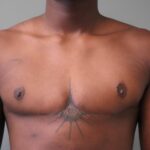
For most transgender men and gender nonbinary individuals, FTM (female-to-male) or FTN (female-to-nonbinary) top surgery can be one of the most meaningful and life-changing steps in their gender-affirming journey. Patients describe feeling more comfortable in their bodies, more confident in social situations and relieved of the emotional burden caused by chest dysphoria.
They are now who they want to be.
While the benefits of top surgery can be profound, there is also a practical consideration that every patient must address: cost.
Understanding the potential expenses, insurance requirements and financing options can help you plan ahead and avoid unexpected financial stress. Whether you have insurance coverage or are paying entirely out of pocket, knowing what to expect is an important part of the process.
Insurance vs. Self-Pay
Your financial path splits into two completely different directions based on whether or not you have health insurance and, if you do, does your policy cover gender affirming care.
1. If You Have Insurance That Covers Gender Affirming Care
One of the largest factors affecting your out-of-pocket costs is whether your health insurance plan covers gender affirming surgery. If it does, your total out of pocket expenses will generally be substantially less than without it.
Each insurance carrier has its own rules and fee schedules, which determine exactly how much you will owe. Your financial responsibility may be limited to:
- Deductibles
- Co-pays
- Coinsurance
- Non-covered services
Insurance companies also require documentation before approving surgery. Requirements often include:
- A diagnosis of gender dysphoria
- A supporting letter from a qualified mental health professional
- Compliance with current standards of care
- Prior authorization from the insurance company
2. If Your Policy Excludes Coverage or You Don’t Have Insurance
If your insurance plan has an explicit exclusion clause for transgender healthcare or if your appeals for coverage have been denied, your policy becomes effectively irrelevant for this procedure. The same applies if you do not carry health insurance at all.
In this scenario, you enter the realm of private pay or self-pay. This means that you are completely responsible for paying for various items related to undergoing the top surgery procedure.
Self-Pay: What Influences the Cost of Top Surgery?
The cost of FTM or FTN top surgery can vary significantly from one patient to another. There is no single national price because several factors influence the final cost.
Some of the most important considerations include:
- The surgeon’s professional fee
- The type of top surgery being performed
- Facility fees for the operating room
- Anesthesia costs
- Geographic location
- Prescription medications
- Pathology fees (if applicable)
- Individual medical factors that may affect surgical complexity
For example, surgery performed in an outpatient surgery center is often less expensive than the same procedure performed in a hospital setting. Similarly, costs in major metropolitan areas may differ considerably from those in smaller communities. The surgeon’s experience and specialization in gender affirming procedures can also influence pricing.
How Much Does Self-Pay Top Surgery Cost?
Private-pay costs vary widely throughout the United States. Although exact pricing differs from practice to practice, patients commonly encounter total costs ranging from approximately $7,000 to $17,000 or more. In some regions or circumstances, costs may fall outside this range.
When comparing pricing, it is important to understand what is included in the quoted fee. Some practices provide a comprehensive price that includes:
- Surgeon fees
- Anesthesia
- Facility charges
- Follow-up visits
- Pathology, medications and miscellaneous charges
Others may quote only the surgeon’s fee with additional charges billed separately.
Always ask for a detailed breakdown so that you fully understand your financial obligations before scheduling surgery.
Ways to Pay for Your Top Surgery
There are several options that may help make surgery more financially attainable.
Personal Savings
Many patients use funds from:
- Savings accounts
- Checking accounts
- Investments
- Other personal assets
Paying directly from personal savings avoids interest charges and monthly loan payments.
Credit Cards
Using credit cards to pay for surgery is the most common method that patients use. Of course, paying off the charge may require funds from other sources.
This option does absolutely provide flexibility and can more easily facilitate making one’s top surgery a reality. However, if the total charge is not paid off in time, the high credit card interest rate can make this a more expensive option compared to others including dedicated medical financing programs.
Medical Financing Programs
Medical financing has become a common way for patients to pay for their gender affirming procedures. Generally, the interest rates are lower than those charged by credit card companies. Of course, you have to qualify for them.
Companies such as CareCredit® and Alphaeon® Credit offer financing programs specifically designed for healthcare expenses including top surgery. Potential benefits may include:
- Fixed monthly payments
- Extended repayment periods
- Promotional interest rates for qualified applicants
- Rapid approval processes
As with any loan, it is important to review interest rates, repayment terms and fees carefully before committing.
Assistance From Family and Friends
For some individuals, financial support from family members or close friends can help bridge the gap between available funds and surgical expenses. Support may take the form of:
- Gifts
- Personal loans
- Shared fundraising efforts
Of course, every person’s situation is unique and this option may not be realistic or comfortable for everyone.
Crowdfunding
Online crowdfunding has become increasingly popular among individuals pursuing gender-affirming care. Platforms such as GoFundMe® and other fundraising websites allow patients to share their stories and seek financial assistance from supportive friends, family members and others.
Successful crowdfunding campaigns often include:
- A clear explanation of the surgery’s importance
- Personal stories and goals
- Regular updates
- Transparency regarding expenses
While results vary, crowdfunding can help offset some or even all of the surgical costs for certain individuals.
Grants and Financial Assistance Programs
There are nonprofit organizations and community groups that provide grants or financial assistance for gender affirming surgery. Once such example is Point of Pride. An online search can be done to potentially find other options for you – locally and elsewhere.
Grant funding is generally very limited and demand is high so availability of resources makes this a very outside chance at best.
Looking Beyond the Price Tag
Cost is important but it should not be the only factor guiding your decision.
Top surgery is a permanent procedure that can have a lasting impact on your quality of life, self-confidence and overall satisfaction. Choosing a surgeon based solely on the lowest price may not produce the outcome you are hoping for.
When evaluating potential surgeons, consider:
- Board certification by the American Board of Plastic Surgery
- Experience with gender affirming surgery
- Before-and-after photographs
- Patient reviews and testimonials
- Communication style
- Safety record
- Comfort level during consultation
A highly experienced surgeon may not be the least expensive option. However, expertise, safety, and consistently excellent results often provide value that extends far beyond the initial financial investment.
Final Thoughts
FTM and FTN top surgery is a transformative step toward living more authentically and comfortably. Although the financial aspects of surgery may seem overwhelming at first, there are often more options available than patients realize.
Understanding your insurance coverage, obtaining accurate cost estimates and exploring your financial options can help you create a realistic plan for achieving your ultimate top surgery goal.
For more information about your financial options and to schedule a personalized consultation with Dr. Turkeltaub, you can either call the Arizona Center for Aesthetic Plastic Surgery at (480) 451-3000 or fill out our online contact form.
Steven H. Turkeltaub, M.D. P.C.
Scottsdale and Phoenix, Arizona